Few debates in the audiophile world have persisted as long—or generated as much passion—as the Sennheiser HD 600 versus HD 650 question. These two headphones have been in continuous production since 1997 and 2003 respectively, yet in 2026 they remain the first serious recommendation most experienced listeners give to anyone entering the hobby. That kind of staying power doesn’t happen by accident. It happens because both headphones are genuinely excellent at what they do—and meaningfully different from each other in ways that actually matter for real-world listening.
This comparison won’t hand you a clear “winner.” That framing misses the point. The question is which one fits your ears, music library, and use case.
Specifications at a Glance
| Spec | HD 600 | HD 650 |
|---|---|---|
| Transducer Type | Dynamic, open-back | Dynamic, open-back |
| Impedance | 300 Ω | 300 Ω |
| Sensitivity | 97 dB SPL / 1V RMS | 103 dB SPL / 1V RMS |
| Frequency Response | 12 – 40,500 Hz | 10 – 41,000 Hz |
| THD | < 0.1% | < 0.1% |
| Weight | 260 g (without cable) | 260 g (without cable) |
| Cable | 3m with 6.35mm plug | 3m with 6.35mm plug |
The impedance is identical at 300 ohms, but note the sensitivity difference: the HD 650’s 103 dB SPL/V means it’s slightly easier to drive loud from the same source. Both still require a proper amplifier to sound their best—don’t let that modest sensitivity difference convince you that either headphone sounds good straight from a phone headphone jack.
Design and Build
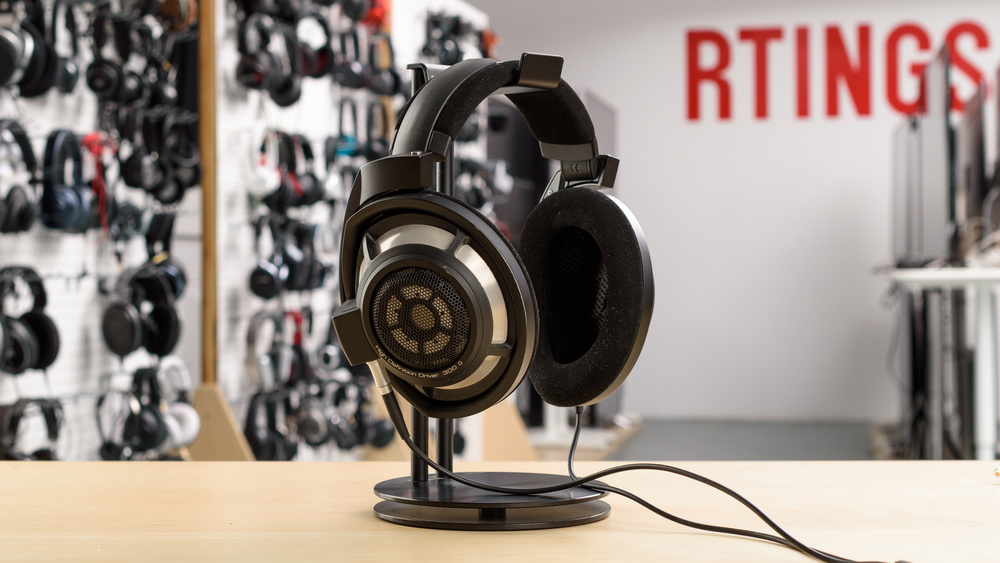
The visual difference between the two models is subtle: the HD 600 ships in a distinctive blue-grey marbled finish, while the HD 650 is a slightly darker charcoal with a blue-black gradient. Beyond aesthetics, the construction is nearly identical—the same injection-molded plastic cups, the same self-adjusting headband system, the same velour ear pads, and the same detachable cable entry at each earpiece.
Build quality is practical rather than luxurious. Sennheiser chose functional plastic over metal, and the result is a headphone that feels light on the head (260g is genuinely comfortable) but doesn’t project “premium” in the way that a ZMF or Audeze does at twice the price. The tradeoff is real ergonomic comfort: both headphones disappear on the head during long listening sessions in a way that heavier audiophile headphones simply cannot match.
The velour pads are breathable, non-fatiguing, and easy to replace when they eventually compress. Replacement pads and cables are widely available and reasonably priced, making both headphones long-term investments rather than disposable products.
Sound Signature: HD 600
The HD 600 has earned its reputation as a reference-class neutral headphone, and that reputation is well-deserved. The frequency response is exceptionally flat through the critical midrange, with a natural rise around the 3–4 kHz presence region that gives vocals and acoustic instruments their correct sense of energy and air.
Bass: The HD 600’s bass extends cleanly into the sub-bass but doesn’t emphasize it. Sub-bass rolls off gently below 30 Hz. Midbass is tight and well-controlled, lending kick drums and bass guitars a sense of punch without ever feeling bloated. Listeners coming from consumer headphones may initially perceive the HD 600 as “bass-light”—this is what neutral actually sounds like.
Midrange: This is where the HD 600 truly excels. Voices—male and female—are rendered with extraordinary clarity and presence. The slight 3–4 kHz emphasis prevents the common “recessed” midrange problem that plagues many audiophile headphones. Piano, guitar, and stringed instruments sound natural and immediate.
Treble: The HD 600’s treble is mostly smooth and well-extended with some minor peaks around 6–8 kHz that can occasionally add a slight sibilance to certain recordings. On well-mastered material, it sounds airy and detailed without harshness.
Soundstage: Moderate width with excellent imaging precision. Not a holographic presentation, but instruments are clearly placed and easy to follow.
Sound Signature: HD 650
The HD 650 is not “worse” than the HD 600—it’s tuned with a different philosophy. Sennheiser deliberately added warmth to the HD 650’s presentation, resulting in a sound that many listeners describe as more emotionally engaging even if it’s technically less “accurate.”
Bass: The HD 650’s bass is noticeably fuller through the midbass region, adding weight and body to instruments and voices. It’s not a bass-head headphone—the emphasis is in the 80–200 Hz region rather than the sub-bass—but the result is that music sounds more physical and present. Rock music, jazz, and vocal pop benefit significantly from this additional warmth.
Midrange: Rich and lush, with the same strong vocal presence as the HD 600 but with a slightly darker, more forgiving overall character. Where the HD 600 can occasionally feel clinical, the HD 650 sounds musical. Some long-form listeners argue this warmth actually makes recordings easier to analyze over extended sessions because the ear doesn’t tire.
Treble: Slightly rolled off compared to the HD 600, which makes the HD 650 more forgiving of poorly mastered or compressed recordings. The tradeoff is a slight reduction in perceived “air” and top-end sparkle. Cymbals and high-frequency detail are still present, just less emphasized.
Soundstage: Nearly identical to the HD 600 in width, but the warmer tuning creates a slightly more intimate, enveloping sense of presentation.
Amplification Requirements
Both headphones at 300 ohms demand a proper amplifier. Plugging either into a phone, laptop headphone jack, or low-output DAC/amp will result in audible distortion at reasonable volumes and a compressed, thin sound that misrepresents what these headphones are capable of.
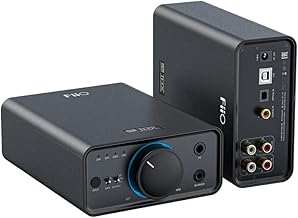
A desktop DAC/amp stack like the FiiO K7 is an excellent pairing for both—it provides sufficient current and voltage swing, clean noise floor, and balanced output for those who want to try the 4.4mm connection. For a more premium experience, the Chord Mojo 2 adds a noticeable step up in resolution and dynamic nuance with both headphones.
The HD 650 pairs particularly well with warmer, more romantic amplifier voicings—tube amplifiers and hybrid designs tend to complement its character beautifully. The HD 600, by contrast, scales more cleanly with neutral solid-state amplification where its own precision doesn’t get masked by added color.
For a comprehensive comparison of desktop amp/DAC options at various price points, our Best Desktop DAC/Amp Combos 2026 guide covers the field thoroughly.
Who Should Buy the HD 600?
- Mixing and mastering engineers who need a reliable reference point
- Listeners who want to know exactly what’s in their recordings
- Classical, jazz, and acoustic music listeners who value tonal accuracy
- Anyone who finds “warm” or “musical” headphones to be a form of coloration they’d rather avoid
- Those who prefer a slightly crisper treble presentation
Who Should Buy the HD 650?
- Listeners who consume music for enjoyment rather than analysis
- Anyone who finds that neutral/reference headphones sound “cold” or fatiguing
- Rock, pop, and soul listeners who want more body in the low-end
- Those running a budget amp that might not be perfectly measured—the HD 650 is slightly more forgiving of source chain imperfections
- Long-session listeners who prioritize comfort of listening over clinical accuracy
Who Should Buy Neither?
- Listeners who primarily use portable sources or want something easy to drive—consider the 150 Ω versions of these headphones or a lower-impedance alternative
- Bassheads expecting a V-shaped consumer sound signature
- Those who need isolation—both are fully open-back and leak significantly
Pros & Cons
HD 600
Pros:
- Exceptional midrange accuracy—benchmark for the price
- Neutral tuning ideal for critical listening and mixing
- Light and comfortable for extended sessions
- Widely available; strong resale value
- Extensive aftermarket cable and pad ecosystem
Cons:
- Requires a proper amp to sound its best—no exceptions
- Bass presentation may feel thin to listeners used to consumer headphones
- Treble can occasionally be slightly sibilant on bright recordings
- Build uses plastic—functional, but not luxurious-feeling
HD 650
Pros:
- Warm, musical tuning that works with a wide variety of genres
- Slightly more forgiving of poor recordings and imperfect source equipment
- Same comfort profile and long-term durability as the HD 600
- More emotionally engaging for casual listening sessions
Cons:
- Warmer tuning introduces a degree of coloration that mixing engineers may dislike
- Slightly reduced treble extension compared to HD 600
- Still requires a proper amp—300 ohms is not trivially driven
- The “veil” that some listeners perceive may be a dealbreaker for those wanting maximum transparency
Frequently Asked Questions
Q: Can I use the HD 600 or HD 650 for gaming?
You can, though neither headphone was designed for gaming. Their moderate soundstage means positional audio is decent but not best-in-class. The bigger practical problem is the 3-meter attached cable and lack of any inline microphone. If gaming is a significant use case, purpose-built gaming headsets or a headphone with easier at-desk management will serve you better.
Q: Is the difference between them worth paying extra for one over the other?
Historically the HD 650 has commanded a small premium over the HD 600, though pricing fluctuates. The difference isn’t one of quality—both are similarly competent—it’s purely a matter of tuning preference. If you can audition both, do so. If you can’t, consider your genre preferences and source equipment before deciding.
Q: Do I need to “burn them in” before judging the sound?
Burn-in is a contentious topic in audio. Neither headphone shows dramatic measurable changes after extended use, though some listeners report a slight softening of the treble and bass tightening after the first 20–50 hours. Don’t make your purchase decision dependent on perceived burn-in changes.
Conclusion
The HD 600 and HD 650 are both extraordinary headphones that have stood the test of time for good reason. The HD 600 is the choice for anyone who wants a precision tool—a headphone that tells the truth about a recording without adding pleasantries. The HD 650 is the choice for anyone who wants their music to feel alive, warm, and engaging even if that means accepting a small degree of coloration.
Neither decision is wrong. Both are exceptional values in 2026 and will outperform headphones costing significantly more in their respective use cases. Pair either with an appropriate desktop amplifier and you have a foundation that can anchor a serious listening system for years.