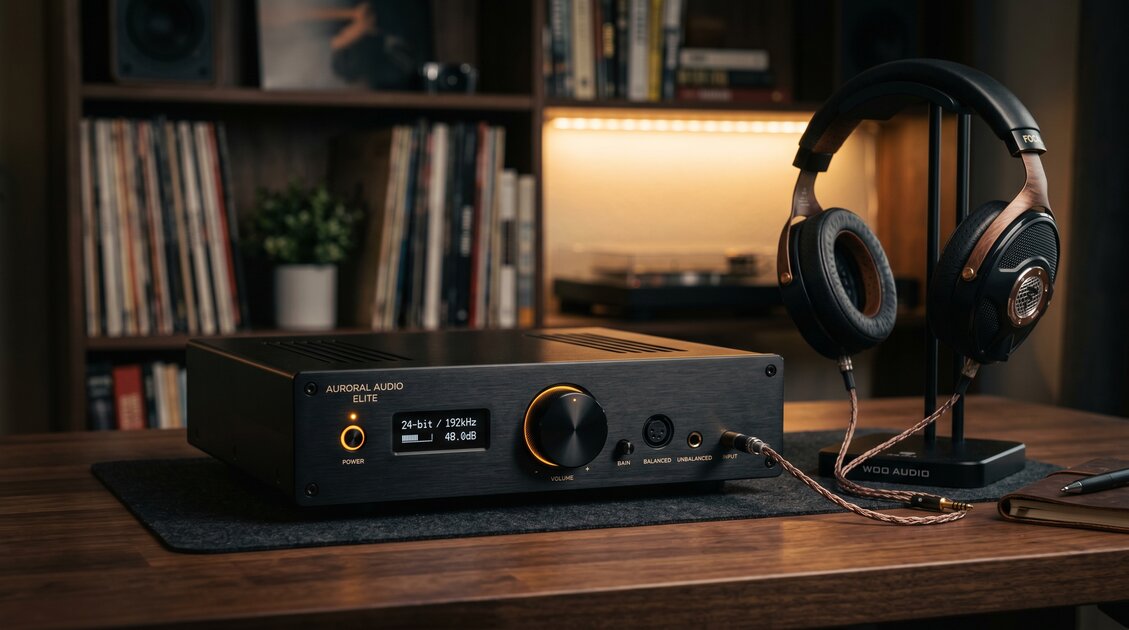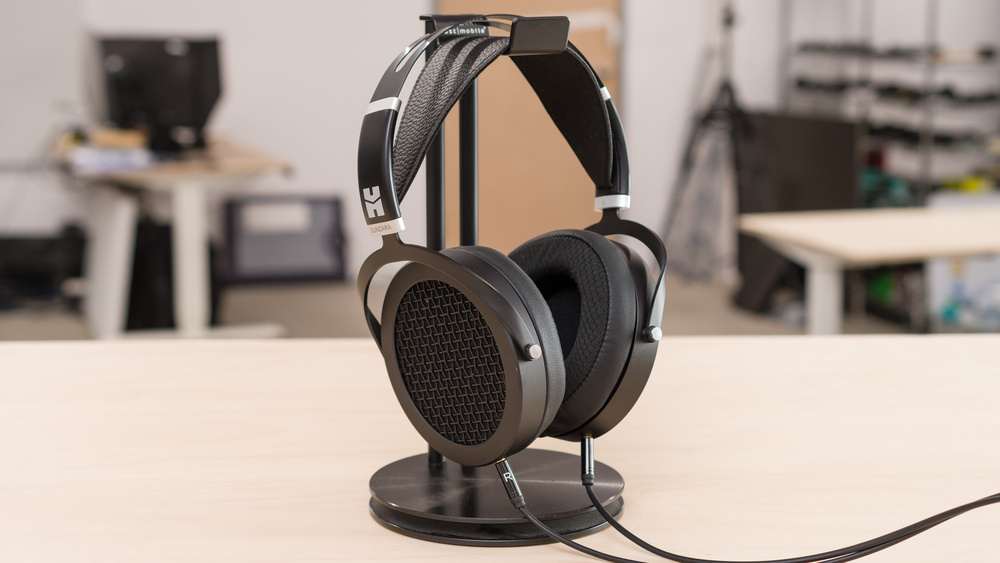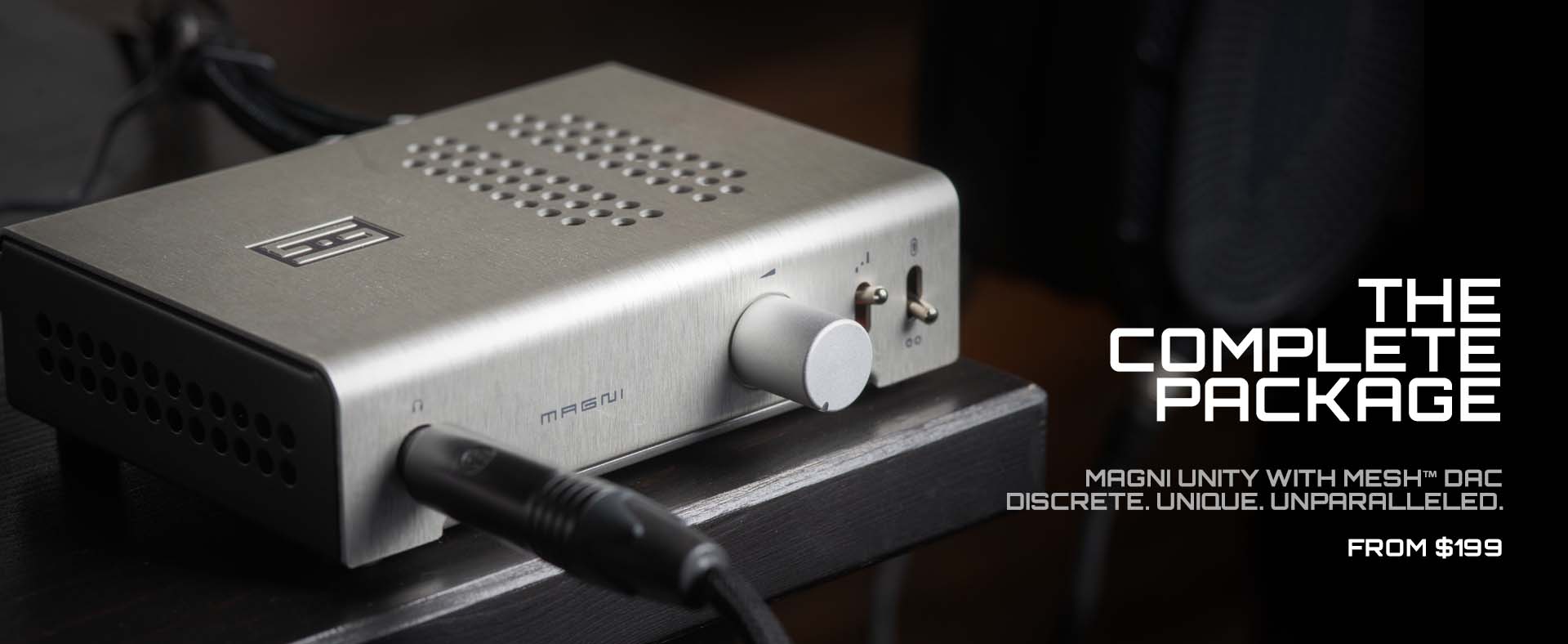
If you buy a high-end headphone and plug it directly into your computer, phone, or laptop, you are almost certainly not hearing what that headphone is capable of. Headphones are transducers — they need clean electrical power to move the diaphragm accurately. Without it, the bass will be muddy or nonexistent, the soundstage will collapse, and the volume will be underwhelming. You need a dedicated headphone amplifier.
This guide provides the framework for choosing the right amplifier in 2026, regardless of your budget or gear.
Do You Actually Need an Amplifier?
Not everyone needs a dedicated amplifier.
- You need an amp if: You use high-impedance headphones (Sennheiser HD 600/650/800 series, Beyerdynamic DT 990 250Ω+). These headphones require high voltage to reach their optimal dynamic range.
- You need an amp if: You use low-sensitivity planar magnetic headphones (like some Audeze or HiFiMAN models). These are “power-hungry” and need high current to achieve proper transient response.
- You do NOT need a dedicated amp if: You use efficient IEMs (like Sennheiser IE 900) or low-impedance dynamic headphones. These can be driven to excellent levels by a quality USB-C dongle DAC/amp.
The Three Pillars: Impedance, Sensitivity, and Power
Before looking at product specs, understand these three values:
1. Impedance (Ohms, Ω)
Impedance is the electrical resistance of the headphone.
- High impedance (250Ω+) requires voltage.
- Low impedance (< 50Ω) requires current.
- If your amp cannot provide the required voltage (for high-ohm cans), you will never reach adequate volume or dynamic range.
2. Sensitivity (dB/mW)
Sensitivity measures how much volume a headphone produces from 1 mW of power.
- High sensitivity (> 100 dB/mW) is easy to drive.
- Low sensitivity (< 95 dB/mW) is hard to drive.
- A headphone that is both high-impedance and low-sensitivity (like the HD 650, 300Ω and 103 dB/mW) is the textbook example of a headphone that demands a proper amplifier.
3. Power (mW)
Amplifiers are measured by how much power (milliwatts) they can output at a specific impedance. Always look for power ratings at your headphone’s impedance. If your headphone is 300Ω, don’t look at the amp’s 32Ω power rating; it is irrelevant.
Amplifier Topologies Explained
Solid-State (Discrete/Op-Amp)
The standard for modern audiophile gear. Transparent, neutral, low-distortion.
- Pros: Measures perfectly, lasts for decades, reliable.
- Cons: Can sound “clinical” if implemented poorly.
Tube Amplifiers
Use vacuum tubes to amplify the signal. Adds deliberate harmonic distortion (even-order harmonics) which listeners perceive as “warmth” or “musicality.”
- Pros: Euphonic, natural, engaging.
- Cons: Tubes wear out, higher maintenance, higher heat, technically lower measurement performance.
Hybrid Amplifiers
A common middle-ground: a tube pre-amplifier stage (for color) paired with a solid-state output stage (for power). The best of both worlds.
How to Build Your Chain
- DAC (Digital-to-Analog Converter): Takes the digital file from your computer/streamer and makes an analog voltage.
- Amplifier: Takes the analog voltage and makes it large enough to power the headphone.
Many modern products are DAC/Amp combos — this is where 90% of beginners should start. If you are starting today, don’t worry about stacking separate units; get a single high-quality combo. See our recommendations in Best Desktop DAC/Amp Combos 2026.
Quick Selection Guide
| Headphone Impedance | Recommended Amp Power (at load) |
|---|---|
| Low (< 50Ω IEMs) | High current (clean output), low noise floor |
| Mid (50–150Ω dynamics) | 500 mW–1 W (32Ω) |
| High (250–600Ω dynamics) | 100–200 mW (300Ω) |
| Demanding Planars | 1 W+ (32Ω) current-focused |
Final Verdict: What to prioritize in 2026
- Brand Reputation: Stick with established names that provide published measurements (FiiO, Topping, Schiit, iFi, SMSL).
- Output Impedance: Must be < 1Ω to maintain frequency response consistency across all headphones.
- Features: Balanced output? Bluetooth input? DSP? Buy what you will use today.
- Budget Allocation: Invest in your headphones first. Your amplifier is a foundation — don’t spend more on the amp than you did on the headphones until you reach the flagship tier ($1,000+).
For specific stack recommendations, read Best Desktop DAC/Amp Combos 2026.