Open-back headphones exist because of a fundamental acoustic compromise in closed-back design. When you seal the back of a headphone’s earcup, you trap a column of air between the driver and your ear. That air column creates pressure, and that pressure creates coloration. The bass thickens, the soundstage narrows, the stereo imaging becomes less defined. Open-back headphones solve this by venting the rear of the driver to the room — and the result is the most natural, speaker-like headphone listening experience available.
In 2026, the open-back headphone market spans a massive range from $100 budget options to $5,000+ flagships. This guide covers the contenders that matter at each meaningful price tier, with honest assessments of what each actually delivers.
The Open-Back Advantage — and the Real Trade-Off
Before the picks: what open-back headphones actually do better, and where they fail.
What open-backs do better:
- Soundstage — the acoustic space feels wider, often genuinely three-dimensional
- Imaging — instrument placement is more precise and consistent
- Bass accuracy — no rear-chamber resonance coloring the low end
- Listening fatigue — the “natural” air movement reduces claustrophobic pressure
Where open-backs fail completely:
- Isolation — they provide essentially zero passive noise isolation. Every sound in your room is audible. Your neighbors can hear your music from a meter away.
- Portable use — useless on public transit, in offices, or anywhere there’s ambient noise you need to block
- Recording — if you’re tracking audio with a microphone, the open-back headphone bleed will ruin your recordings
If any of these limitations are dealbreakers for your use case, stop reading this guide and read our closed-back recommendations instead.
1. Beyerdynamic DT 990 Pro — The Accessible Entry Point
Driver type: 45mm dynamic
Impedance: 250Ω (primary)
Sensitivity: 96 dB SPL
Frequency response: 5Hz – 35,000Hz
Price range: ~$130–160
The DT 990 Pro is the default “first open-back” recommendation for a reason that has nothing to do with hype: the soundstage is genuinely, immediately striking when you come from any closed-back or consumer headphone. It is wide, defined, and spatially convincing in a way that shows you immediately what the open-back format is capable of.
The V-shaped sound signature — elevated bass, slightly recessed midrange, bright and detailed treble — is energetic and engaging. The treble peak around 8–10kHz is the most discussed characteristic: it gives cymbals and high-frequency detail an analytical crispness that some listeners love and others find fatiguing. The bass, freed from closed-back resonance, is tight, extended, and impactful.
The velour earpads and steel headband are exceptional for long-session comfort. The build quality is German-manufactured durability with replaceable parts. For gaming, the DT 990 Pro’s wide stage and precise imaging are a genuine competitive advantage in positional audio.
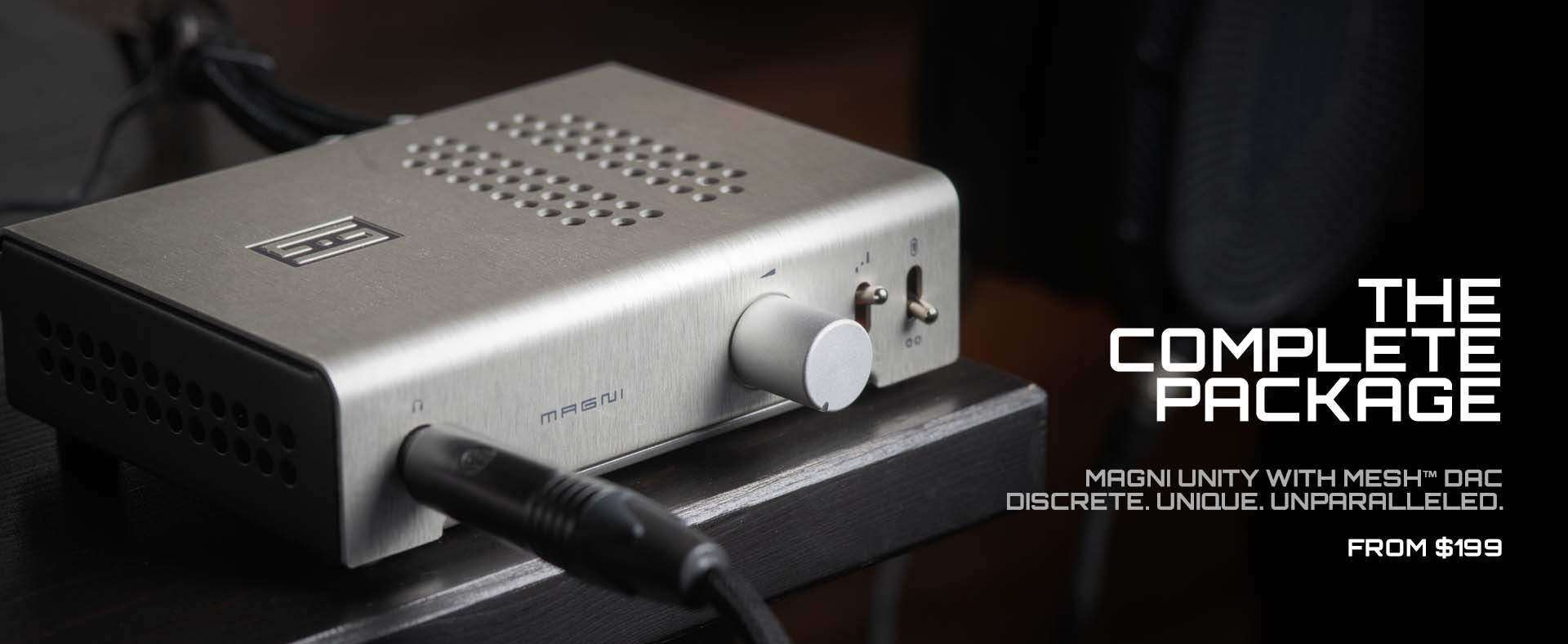
The 250Ω impedance requires a proper amplifier to drive correctly — a FiiO K7, Topping DX3 Pro+, or equivalent desktop unit. From a phone or laptop, it will be underpowered and lifeless.
Best for: FPS gaming, first-time open-back users, desktop listening with proper amplification, anyone who wants exciting, engaging V-shaped sound with world-class soundstage.
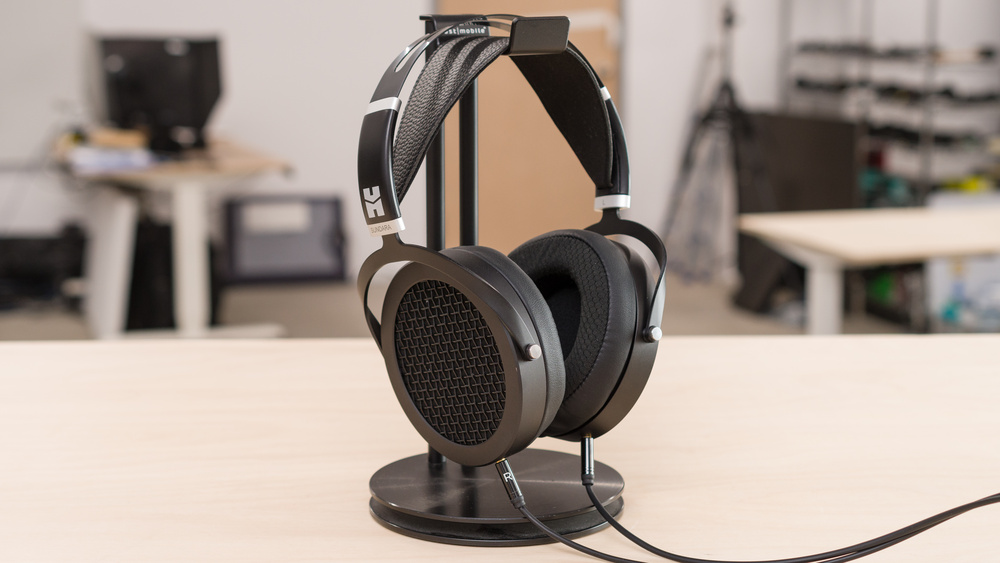
2. HiFiMAN Sundara — Planar Transparency Under $350
Driver type: Planar magnetic
Impedance: 37Ω
Sensitivity: 94 dB/mW
Frequency response: 6Hz – 75,000Hz
Price range: ~$250–350 (frequently on sale)
The Sundara is in many ways the more technically accomplished open-back in this tier. The planar magnetic driver delivers transient speed and bass precision that the DT 990 Pro’s dynamic driver can’t match. The bass is tighter and more textured. The midrange is more linear and natural. The soundstage, while perhaps not as immediately dramatic as the DT 990 Pro’s, is wider and more accurate in its imaging geometry.
The tuning is neutral-to-bright — similar in character to the DT 990 Pro in terms of high-frequency energy, but without the V-shaped midbass and midrange recession. The result is a more honest, balanced presentation that audiophiles tend to prefer for critical listening but casual listeners sometimes find less exciting on first contact.
Build quality is the Sundara’s weakness relative to this price point — the HiFiMAN adjustment mechanism and housing materials don’t feel as premium as the German-manufactured Beyerdynamic alternatives. Comfort is generally good, though the weight (~372g) is noticeable over long sessions.
For a full breakdown, see the HiFiMAN Sundara Review 2026.
Best for: Critical listening, acoustic and jazz music, listeners upgrading from the HE400SE or DT 990 Pro, anyone who wants to experience planar sound quality.
3. Focal Clear Mg — When Budget Isn’t the Primary Constraint
Driver type: 40mm dynamic, “M”-shaped aluminum/magnesium dome
Impedance: 55Ω
Sensitivity: 104 dB SPL/mW
Frequency response: 5Hz – 28,000Hz
Price range: ~$900–1,100
The Focal Clear Mg is where dynamic driver technology reaches its practical peak in the open-back headphone world. Focal’s French-engineered aluminum-magnesium dome driver is a proprietary design that the company has spent decades perfecting, and the result is dynamic performance that competes directly with planar magnetic headphones in the areas where planars typically excel — transient speed, low distortion, bass control.
The frequency response is near-ruler-flat from bass to treble, with natural high-frequency extension that sounds airy and detailed without any sharp resonance peaks. The soundstage is wide and three-dimensional. The imaging is the best of any dynamic driver headphone in this guide. Bass reaches deep, hits clean, and decays naturally. Midrange — Focal’s historic strength — is liquid, forward, and tonally perfect. Treble is present and extended without ever becoming bright or fatiguing.
The build quality matches the price: an aluminum frame, premium leather headband, memory foam and microfiber earpads, a custom case, and two cables (3.5mm and XLR balanced). The Clear Mg feels like a precision instrument, because it is.
At 55Ω and 104dB sensitivity, it’s relatively easy to drive for a premium headphone — a quality portable source will work, though a proper desktop amplifier reveals the full depth of its dynamics.
Best for: Reference listening, classical music, jazz, studio monitoring, anyone who wants the best dynamic driver experience under $1,500.
How to Choose the Right Open-Back for You
Start with your source. If you don’t have a DAC/amp and aren’t planning to buy one, the DT 990 Pro’s 250Ω variants will underperform badly. The Sundara at 94dB sensitivity also needs a proper source. For plug-in-and-go use, the Focal Clear Mg is ironically the easiest to drive from portable sources. Read our guide on How to Choose a Headphone Amplifier 2026 before committing.
Identify your sound preference. Do you want V-shaped and exciting (DT 990 Pro)? Neutral and revealing (Sundara)? Reference-accurate with the best dynamics available (Focal Clear Mg)? There is no universally correct answer — it depends on the music you listen to, how critical a listener you are, and whether you use headphones for work or pleasure.
Budget for the total system. A $350 open-back headphone driven from a laptop headphone output will sound worse than a $150 headphone from a proper $120 DAC/amp. The source chain matters enormously at this level.
Consider your listening environment. Open-back headphones in a noisy apartment or shared office will be a frustrating experience. They need a quiet listening environment to function as intended.
If you are coming from gaming headsets, the jump to the Beyerdynamic DT 990 Pro will feel like taking a veil off your music and your games simultaneously. The bass is defined and physical, the treble sparkles with analytical precision, and the soundstage is massive by comparison. It’s one of the most immediately rewarding upgrades available in audio at any price point.