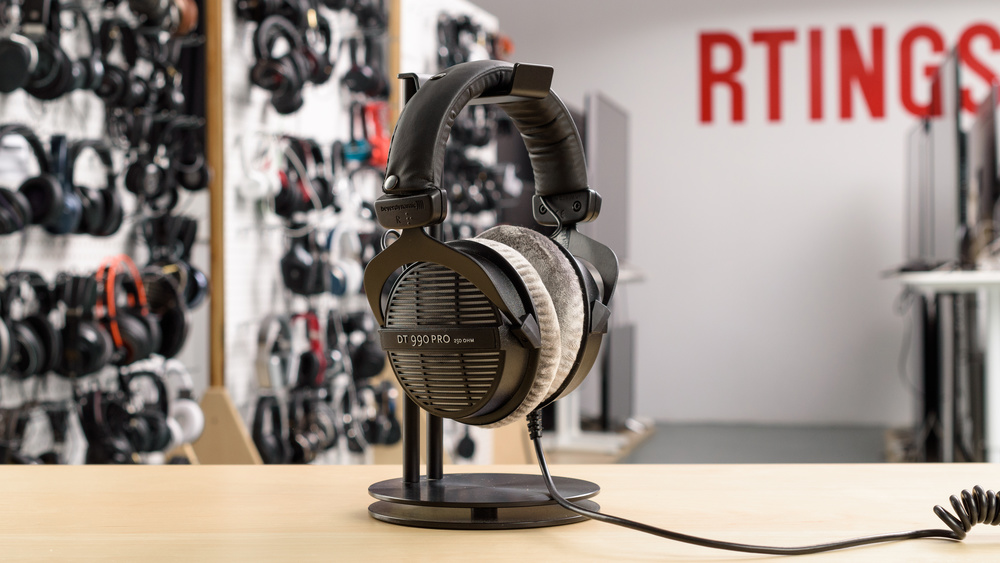
High-impedance headphones (typically 250Ω and above) remain the gold standard for critical listening. While the market has shifted toward low-impedance, high-sensitivity designs that pair easily with smartphones, high-impedance transducers offer unique advantages: better control, lower noise, and, when paired with the right amplifier, superior transient response.
In 2026, finding top-tier high-impedance headphones is increasingly rare. This guide explores why they remain essential and which models are currently the benchmark for audiophiles who refuse to compromise on the classic “high-ohm” experience.
Why Impedance Matters (The Physics)
Impedance (measured in Ohms, Ω) is the resistance a headphone driver presents to the amplifier.
- High Impedance (250–600Ω): Requires higher voltage swing to reach optimal volume. This high voltage requirement is the reason they are less “portable-friendly,” but it also means they are naturally more resistant to the noise floor of the amplifier. A high-ohm headphone paired with a clean desktop amplifier often exhibits a “blacker” background (less hiss) than a low-impedance IEM.
- Low Impedance (< 50Ω): Requires higher current. Portable devices (phones, dongles) are naturally voltage-limited but current-capable. Low-impedance headphones are designed for the constraints of modern portable audio.
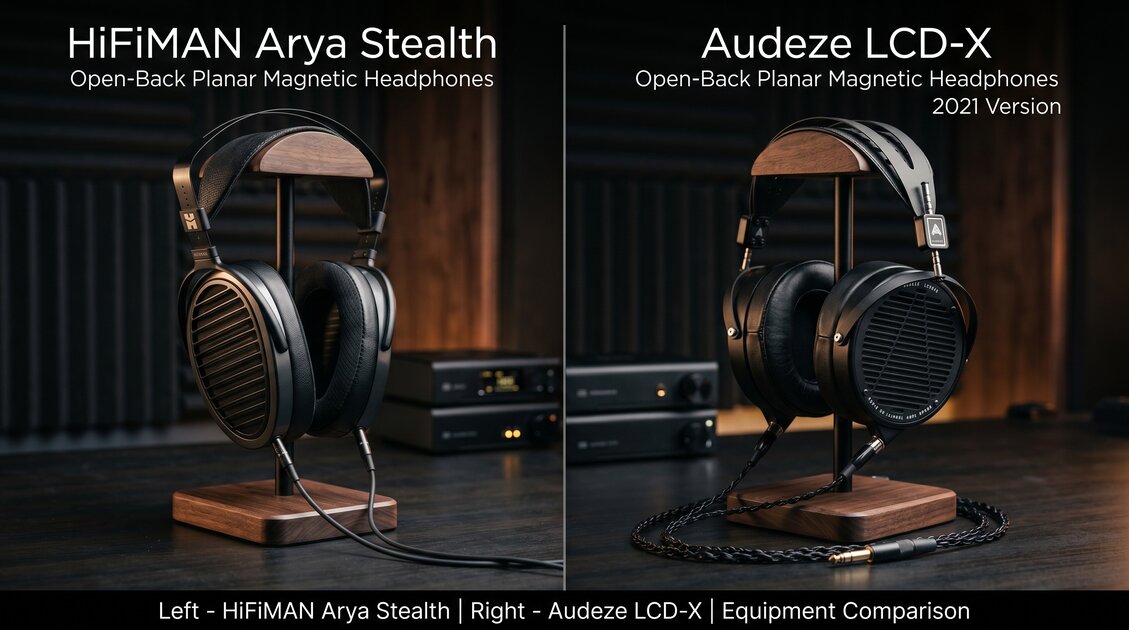
High-impedance headphones are the classic studio standard because they are inherently more forgiving of the noise floor in long-run signal chains. They offer a refined, natural sound that is less prone to the “harsh” resonance issues sometimes found in low-impedance planar magnetic designs.
Top Picks: High-Impedance Classics for 2026
1. Sennheiser HD 660S2 (300Ω)
Character: The modern reference.
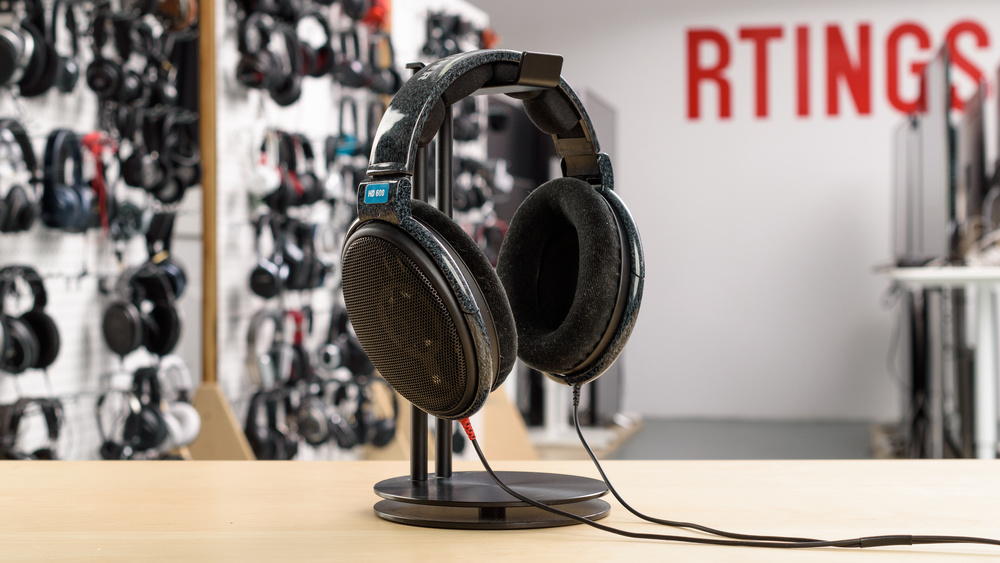
The HD 660S2 is the latest evolution of Sennheiser’s legendary 600-series platform. It retains the classic 300Ω impedance while significantly improving sub-bass extension compared to the original HD 660S. It is the perfect balance: it maintains the mid-range intimacy that made the HD 650 a legend, but adds the dynamic slam and bass depth required for 2026 production standards.
Why it’s a pick: If you want a headphone that sounds great on everything from jazz to electronic, the 660S2 is the most versatile high-impedance dynamic headphone available.
2. Beyerdynamic DT 990 Pro (250Ω)
Character: The studio classic.
Beyerdynamic DT 990 Pro (250 Ohm) on Amazon
The DT 990 Pro is perhaps the most recognizable high-impedance headphone on the planet. Its V-shaped sound signature (elevated bass and treble) has defined the “studio sound” for decades. For critical listening, it provides an incredible sense of space and detail — though the treble lift can be fatiguing for some.
Why it’s a pick: It remains the benchmark for open-back monitoring. It is indestructible, affordable, and comfortable for all-day wear. If you need clinical detail in the high-frequency range, this is your tool.
3. Beyerdynamic DT 880 Pro (250Ω)
Character: The neutral workhorse. Check price on Amazon →
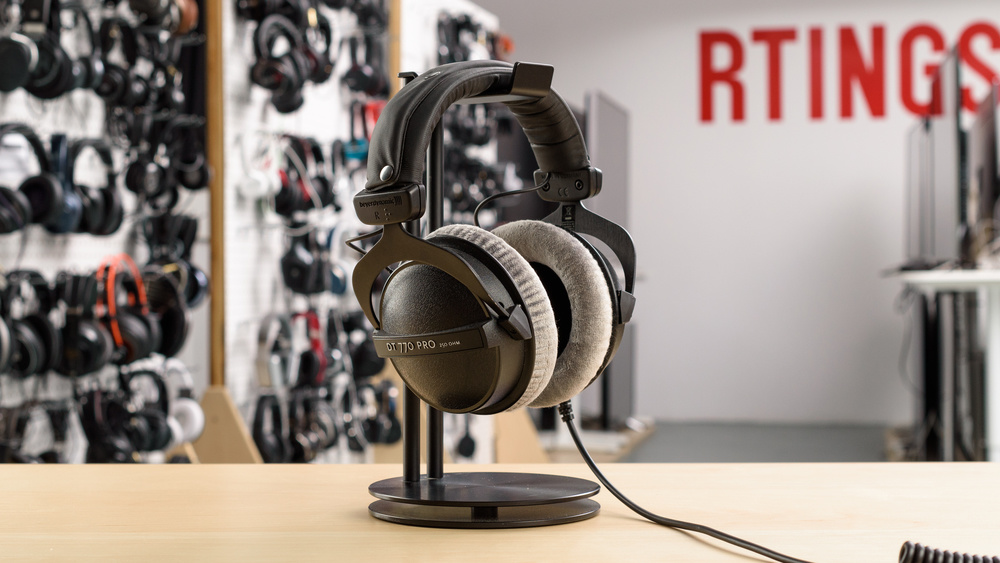
While the DT 990 is V-shaped, the DT 880 is neutral. It is semi-open, offering slightly more isolation than the 990 and a flatter, more honest midrange. For long-term studio work or critical music analysis, the 880 is objectively the better headphone.
Why it’s a pick: If you find the DT 990 treble lift too harsh, the DT 880 Pro is the solution. It provides the same robust build with a more balanced tonal profile.
The Matching Challenge: Amplification
You cannot drive these headphones effectively with a smartphone. To unlock the potential of a 250Ω or 300Ω driver, you need an amplifier with sufficient voltage swing.
- Required Output: Look for an amplifier capable of at least 150 mW at 300Ω.
- Top Pairings:
- The Schiit Magni Unity provides excellent voltage for these loads.
- The Topping A90 Discrete is an ideal reference pairing that adds no coloration to the classic high-ohm sound.
Pros & Cons
Pros
- Inherently lower amplifier hiss (noise immunity)
- Superior transient control and driver damping
- Natural, organic sound signature
- Proven longevity in studio environments
Cons
- Requires dedicated desktop amplification (no smartphone direct pairing)
- Less “slam” than modern low-impedance planars without high-quality current delivery
- Declining market support; few new high-ohm models in 2026
FAQ
Q: Why don’t planar magnetic headphones have high impedance? Planar magnetic technology (thin films between magnets) is inherently low-impedance because of the conductor layout on the film. While some planars reach 50–70Ω, they rarely reach the 250–600Ω range of classic dynamic drivers.
Q: Is 600Ω better than 250Ω? Not inherently. 600Ω headphones (like the Beyerdynamic DT 880 600Ω version) offer the theoretical best noise immunity and signal damping, but they require a very powerful dedicated amplifier to reach optimal performance. 250Ω is a more practical “sweet spot” for 2026 desktop setups.
Conclusion
High-impedance headphones are not obsolete; they are specialized. They demand a high-quality amplifier and a dedicated listening environment, but they reward the listener with a refined, natural, and low-noise experience that lower-impedance designs often miss. The Sennheiser HD 660S2 and Beyerdynamic DT 990 Pro/880 Pro remain the essential benchmarks. If you are serious about your listening, invest in a quality desktop stack and experience what these classic transducers can do.
For more on studio precision, see our best audiophile studio headphones list for 2026.