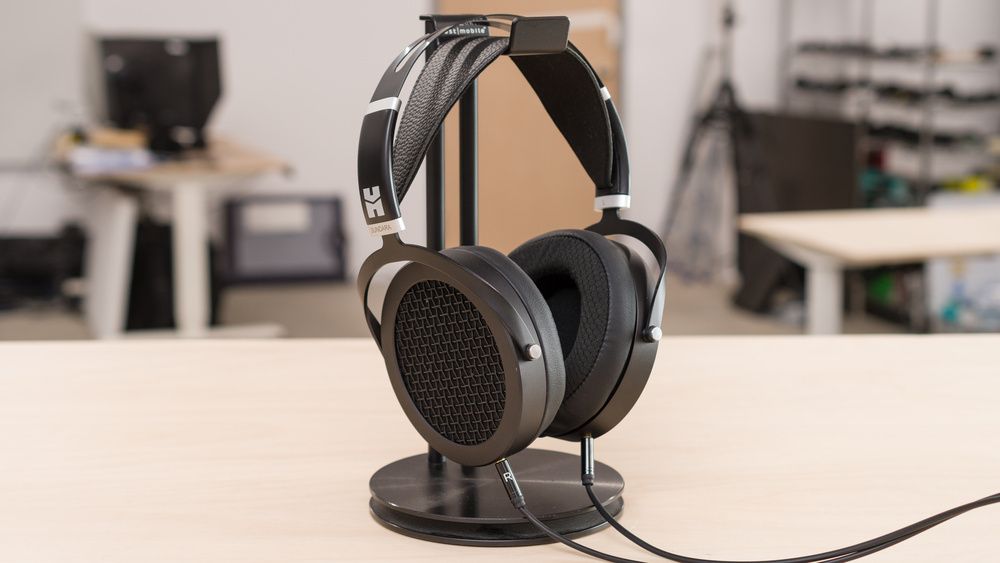
When you have invested $500, $1,000, or more in a set of headphones, the question of cables becomes more pointed. Stock cables on high-end headphones are frequently underwhelming — stiff, cheap-feeling, with modest connector quality — and the case for an aftermarket replacement is real, even if the sonic arguments for premium cabling are contested.
This guide covers the practical and sonic considerations for upgrading headphone cables on high-end models. We focus on what actually matters: construction quality, connector reliability, conductors, and ergonomics — not marketing mythology.
What Differentiates High-End Headphone Cables
1. Conductor Material
OFC (Oxygen-Free Copper): Standard in quality cables. Removes oxygen impurities that accelerate corrosion and degrade conductivity over time. A properly made OFC cable will maintain consistent performance for years.
SPC (Silver-Plated Copper): Copper core with a thin silver plating. Silver has higher electrical conductivity than copper, and the skin effect at audio frequencies means electrons travel predominantly along the outer surface of the conductor — where the silver is. In theory, SPC provides marginally better high-frequency conductivity. In practice, the audible difference in cables under 2 meters is below perception threshold for most listeners.
Pure Silver: Used in boutique cables at high prices. Highest conductivity, lightest weight for equivalent gauge. The sonic claims (“more air,” “better treble extension”) are not consistent in controlled testing, but silver cables are genuinely excellent from an engineering standpoint.
Litz Construction: Individual conductors within the cable are individually insulated before being wound together. This reduces inter-strand capacitance and inductance. Litz cables tend to be more supple and measure better at the margins. Worth prioritizing in higher-end purchases.
2. Connector Quality
The connector is the most failure-prone part of any cable. Cheap connectors oxidize, develop intermittent contact, and break at the strain relief. For high-end headphones, look for:
- Machined aluminum or brass housings (not plastic)
- Proper strain relief (not just tight over-molding)
- Rhodium-plated or gold-plated contacts (prevents oxidation)
- Correct pin layout for your headphone (verify before ordering)
3. Ergonomics and Microphonics
A cable that crackles when it moves is torture during listening. Premium cables use supple PVC or fabric braiding with low-microphonics jackets. For desktop use, stiffness is tolerable; for portable use, it becomes the most important practical characteristic.
High-End Cable Recommendations for 2026
Cardas Audio Clear Series — For the Ultimate Transparency
Price: ~$200–$600 | Material: Matched-propagation OFC Litz
Cardas Audio Clear Series on Amazon
George Cardas has been designing audio cables since the 1980s, and the Clear series represents the most refined expression of his “matched propagation” theory — the idea that all conductors in a cable should have equal signal path lengths to minimize phase distortion.
The Cardas Clear uses multiple gauges of twisted Litz copper wound together to achieve matched signal propagation at audio frequencies. The construction is meticulous — each cable is hand-terminated and measured before shipping.
Sonic character: Neutral to slightly warm, with exceptional imaging. The Clear’s most audible characteristic is a sense of spatial correctness — instrument placement feels accurate and stable. This matters most with headphones like the Sennheiser HD 800S, where the massive soundstage and precise imaging are the defining characteristics.
Best for: Sennheiser HD 800S, Focal Clear Mg, Audeze LCD-X — headphones where imaging precision is the primary characteristic. Also excellent for any headphone where the stock cable is uncharacteristically stiff.
Build: Exceptional. Cardas cables are built to last decades. The terminations are among the best in the industry.
Meze Audio 99 Series Balanced Cable
Price: ~$50–$120 | Material: OFC copper + balanced termination
Meze Audio 99 Series Balanced Cable on Amazon
If you own the Meze 99 Classics or Meze 99 Neo, the official Meze balanced cable is the most straightforward upgrade path. Meze’s first-party balanced cable uses the correct mini-XLR connector that matches the headphone’s socket exactly, ensuring a proper mechanical fit without the risk of incompatibility.
The cable terminates in 2.5mm TRRS (for older Astell&Kern DAPs), 4.4mm Pentaconn, or 3.5mm SE — you specify at order. The OFC construction is supple and notably more comfortable than the stock single-ended cable.
Sonic character: The main benefit over the stock cable is the balanced connection itself — lower crosstalk, doubled voltage swing when used with a balanced amplifier. The cable material itself is not exotic, but appropriate for the price point.
Best for: Meze 99 Classics and 99 Neo owners who want to use the balanced output on their DAP or amplifier.
ZMF Copper Cable — The Warm System Builder
Price: ~$150–$400 | Material: Pure copper, Litz construction
ZMF Headphones is a boutique American manufacturer known for producing warm, musical dynamic headphones with wood cups. Their house copper cable is designed to complement the ZMF house sound — and it does exactly that. The cable uses a multi-strand pure copper Litz construction with a fabric braid jacket. The result is a supple, virtually microphonic-free cable with a sonic character that aligns beautifully with the ZMF headphone lineup.
Sonic character: Warm, full, with a softened upper midrange. Pairs best with neutral or slightly bright systems where the copper warmth is an asset.
Build: ZMF connectors are machined and use a locking mini-XLR that is among the most secure headphone connectors available. The strain relief is genuine — the cable can be pulled from a desk without the connector deforming.
Best for: ZMF Auteur, Verite Open, Aeolus, Caldera owners. Also an excellent pairing for Audeze LCD-2/LCD-X, which share the same warm, full-bodied character.
Who Should NOT Spend Heavily on Cables
If you own headphones under $500, the diminishing returns from premium cables are severe. A Hart Audio or Linsoul cable at $30–$80 provides all the electrical benefits of balanced connection at a fraction of the cost.
If you are choosing between a $400 cable and a headphone upgrade, choose the headphone upgrade. Every time. The cable improves the margin; better headphones improve the fundamentals.
If you cannot audition the cable before buying, start with a mid-range option. Most premium cable manufacturers have non-refundable policies for custom orders.
The Honest Cable Hierarchy
| Priority | What It Gets You |
|---|---|
| Correct termination (balanced vs. SE) | Measurable performance improvement |
| Quality construction (OFC, quality connectors) | Reliability, longevity, ergonomics |
| Litz conductor geometry | Marginal electrical improvement, worth it at $150+ |
| Silver or gold conductors | Expensive, marginal, mostly aesthetic preference |
| Boutique exotic conductors ($400+) | Primarily psychological; cannot be verified in blind testing |
FAQ
Q: Does a more expensive cable improve sound quality? The electrical signal improvement from cables costing $50 vs. $400 is measured in fractions of a dB across the audio frequency range — at cable lengths of 1–2 meters. Controlled listening tests consistently fail to show significant audible differences between quality OFC cables and exotic boutique cables at equivalent lengths.
What does improve: ergonomics, reliability, and the quality of the connection at the headphone and amplifier ends.
Q: My headphone came with a balanced cable option. Should I use it? Yes — always use the balanced cable with a balanced amplifier output. The performance improvement from the balanced connection itself (more power, lower noise) is real and measurable. This is different from claiming exotic conductor materials improve sound.
Q: How do I know which connector my headphones use? Most manufacturers specify this in the product page. Common types: Sennheiser HD 600/650/800 — 2-pin (HD series proprietary); HiFiMAN Sundara/Arya — 3.5mm TS (newer) or 2.5mm TRRS (older); Audeze LCD-2/LCD-X — 4-pin mini-XLR; ZMF headphones — 4-pin mini-XLR; Meze 99 — 3.5mm TRS (mini-XLR on higher models). When in doubt, contact the manufacturer.
Conclusion
Premium headphone cables for high-end models are a legitimate purchase when the focus is on construction quality, connector reliability, and ergonomics. The Cardas Clear is the choice for imaging-focused headphones where spatial precision is the primary characteristic. The Meze balanced cable is the correct first-party upgrade for 99-series owners. The ZMF Copper cable is purpose-built for the ZMF and warm Audeze headphone ecosystem.
Spend to improve the physical quality of your signal path and the comfort of daily use. Do not spend expecting radical sonic transformation from conductor material alone.