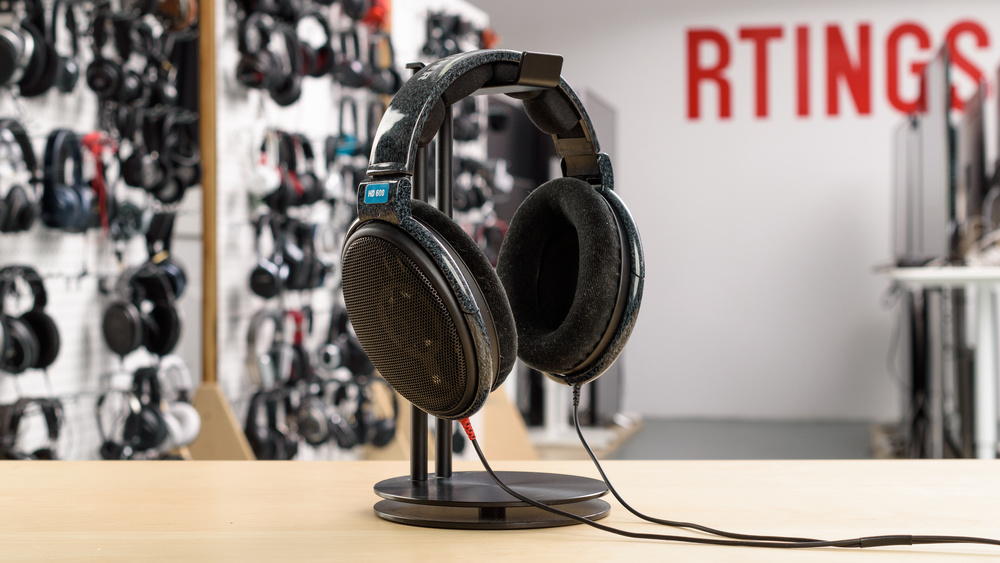
The $300–$500 bracket is, in many ways, the most interesting zone in headphone audio. Below it, you’re making real compromises in driver quality, tuning, or build. Above it, the improvements become incremental and increasingly dependent on increasingly expensive amplification. At this price point, you’re getting genuine audiophile performance: accurate frequency responses, excellent imaging, proper build quality, and in many cases, the kind of detail retrieval that will transform how you hear music you’ve listened to for years.
Finding that sweet spot under $500 is the ultimate audiophile challenge. You want the performance of a kilobuck headphone without selling a kidney. In 2026, the mid-fi market is more competitive than ever, with manufacturers packing flagship technology into consumer-accessible price points. This guide cuts through the noise and ranks the top contenders on actual performance, not spec sheets and marketing language.
1. Sennheiser HD 660S2 — The Midrange Clarity King
Driver type: 38mm dynamic
Impedance: 300Ω
Sensitivity: 104 dB/1Vrms
Frequency response: 10Hz – 41,000Hz
The HD 660S2 is the refinement of Sennheiser’s legendary 600-series sound into a more modern, fuller-sounding package. Where the original HD 660S was criticized for being lean in the low end, Sennheiser addressed this directly in the S2 with a sub-bass shelf that adds warmth and body without introducing muddiness. The midrange is, predictably, exceptional — Sennheiser’s strength for decades. Vocals, acoustic instruments, and piano have a natural, unforced timbre that makes long listening sessions comfortable and rewarding.
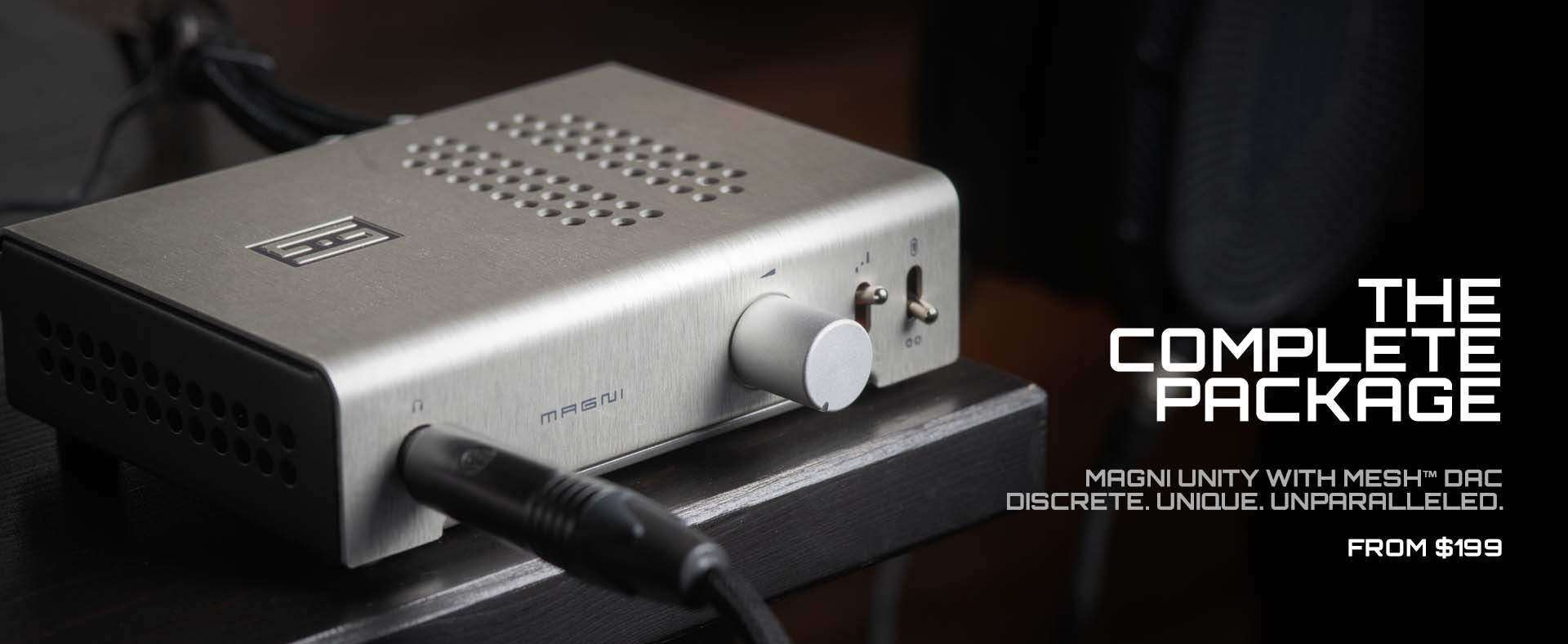
The high impedance (300Ω) is the significant caveat. From a phone, laptop, or weak dongle, the HD 660S2 will sound thin and flat-footed. You need a proper desktop DAC/amp or a high-output portable device to hear what this headphone can actually do. Budget at least $100–150 extra for amplification, and ideally more.
For the listener who prioritizes vocals, acoustic music, jazz, or classical and has a proper source to drive it — or is willing to invest in one — the HD 660S2 is arguably the best pure listening headphone under $500.
Best for: Vocal music, jazz, classical, long listening sessions
Requires: Dedicated amplification (300Ω, don’t skip this)
2. HiFiMAN Sundara — Planar Speed and Transparency
Driver type: Planar magnetic
Impedance: 37Ω
Sensitivity: 94 dB/mW
Frequency response: 6Hz – 75,000Hz
The Sundara has been the default “first planar” recommendation for several years running, and in 2026 it still holds that title. The planar magnetic driver delivers lightning-fast transient response — the leading edge of a guitar pluck, a snare drum hit, or a piano keystrike has a precision and speed that dynamic drivers at this price simply can’t match. Bass is tight, textured, and deeply extended without any of the slow, muddy character that plagues budget dynamic headphones.
The tuning is neutral-bright — it’s not warm, and it’s not V-shaped. The treble has a touch of air and sparkle that makes well-recorded tracks feel alive and open, but it can occasionally feel too energetic on poorly mastered recordings. The soundstage is wider than most headphones in this class.
HiFiMAN’s build quality has historically been a criticism point, and while the current revision of the Sundara is a genuine improvement over earlier models, it still doesn’t feel as solid as the Sennheiser or Beyerdynamic entries here. The headband and adjustment mechanism are functional but feel plasticky. The pads are comfortable for most users.
Despite the low 94dB sensitivity, the Sundara is relatively easy to drive at 37Ω — a decent dongle will get you there, though a proper desktop amp opens up the dynamics considerably.
For a full breakdown, see our HiFiMAN Sundara Review 2026.
Best for: Rock, electronic, jazz — any genre that benefits from fast, precise transients
Requires: Clean, capable source; scales well with better amplification
3. Beyerdynamic DT 900 Pro X — Studio-Grade Durability Meets Hi-Fi Sound
Beyerdynamic DT 900 Pro X on Amazon
Driver type: 45mm dynamic (Tesla driver)
Impedance: 48Ω
Sensitivity: 100 dB SPL (1mW/500Hz)
Frequency response: 5Hz – 40,000Hz
The DT 900 Pro X is Beyerdynamic’s answer to the question: “What if we took the legendary DT 990 Pro build quality and applied modern tuning science to it?” The result is a headphone that retains the indestructible build quality, the gloriously plush velour pads, and the comfortable headband, but replaces the classic V-shaped sound signature with a more neutral, studio-accurate response.
The soundstage is wide — notably wider than the HD 660S2 — and the imaging is sharp, which makes it excellent for mixing, gaming, and any application where positional accuracy matters. The bass is extended and natural without being emphasized. The treble is present but not the razor-sharp, sometimes fatiguing brightness of the old DT 990 Pro.
At 48Ω with decent sensitivity, the DT 900 Pro X is one of the more source-friendly headphones in this bracket. It doesn’t need a particularly powerful amplifier and will sound good from most quality portable sources. That said, a clean desktop source will reveal the full depth of its staging.
The build quality here is genuinely exceptional — Beyerdynamic’s German manufacturing shows. The DT 900 Pro X has replaceable pads, replaceable cable (mini XLR), and a headband that will survive daily abuse for years. If you want a $500-class headphone that you can actually use hard, this is it.
Best for: Mixing engineers, producers, gamers, anyone who wants audiophile sound with professional durability
Requires: A clean source, but not a power-hungry one
What to Look For Under $500
When selecting a headphone in this bracket, think carefully about these factors:
1. Replacement parts and repairability. At $500, these should last you a decade. Can you swap the earpads? Replace the cable? Buy new headband padding? Sennheiser, Beyerdynamic, and HiFiMAN all support this — some cheaper brands don’t, and you’ll eventually need it.
2. Driveability. The HD 660S2 at 300Ω will sound mediocre from a phone. The Sundara’s 94dB sensitivity means you need more clean voltage than most dongles provide comfortably. The DT 900 Pro X is the most source-tolerant of this group. Be honest about your current and planned source setup before committing.
3. Sound signature preference. These are meaningfully different-sounding headphones. The HD 660S2 is warm and smooth. The Sundara is fast, bright, and transparent. The DT 900 Pro X sits between them with studio neutrality. None is objectively better — they serve different listeners and different use cases.
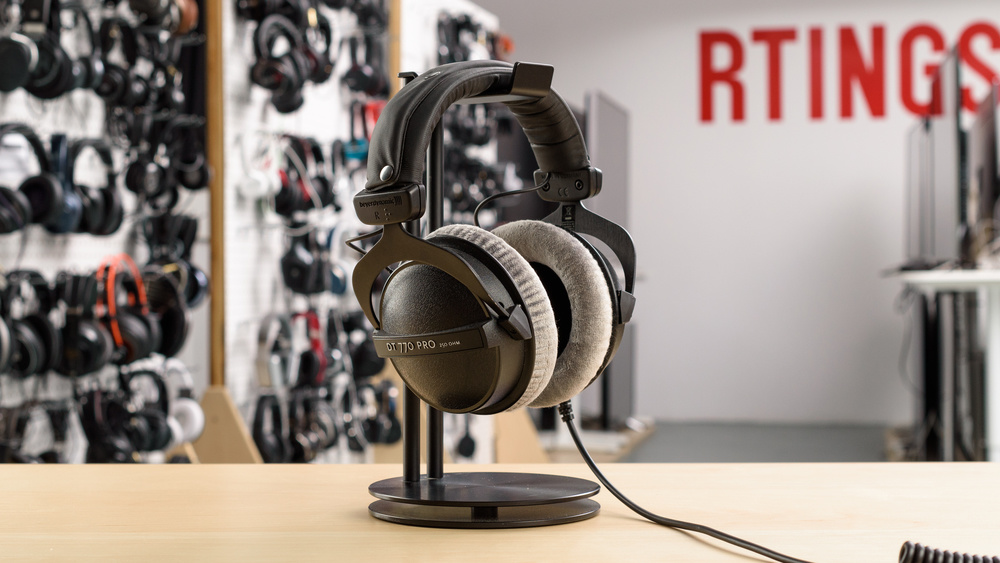
4. Open-back vs. closed-back. Every recommendation here is open-back, which means sound leaks in and out. These are for quiet rooms. If you need isolation — for commuting, shared offices, recording — look at closed-back alternatives like the Beyerdynamic DT 770 Pro.
5. Amplification budget. Factor in the total system cost. A $400 headphone driven from a phone sounds worse than a $200 headphone driven from a proper $150 DAC/amp. The source matters enormously at this level.
If you’re upgrading from entry-level gear, any of these will feel like a massive, transformative step up. The detail you’ll hear in recordings you’ve listened to for years will be genuinely surprising. Remember to pair them with a clean source — a proper DAC/amp will unlock the full potential of any of these headphones and is a necessary companion investment.