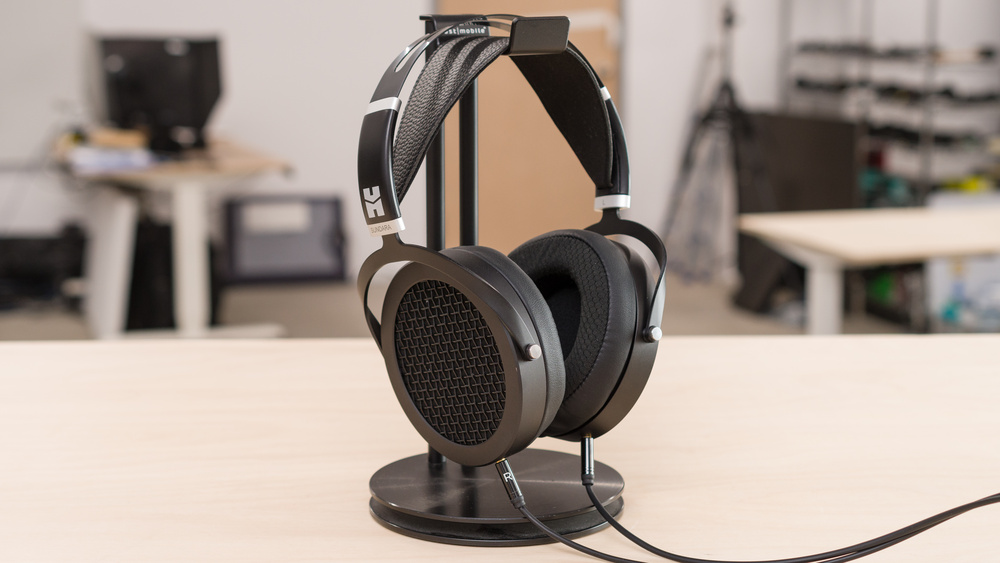
Entering the $1,000 headphone bracket is the threshold where “good audio” gives way to “high-end audio.” In 2026, the technology behind these headphones has reached a point where you are genuinely paying for craftsmanship, materials, and tuning sophistication that simply does not exist in mid-fi gear. This is the realm of custom-engineered drivers, premium materials (aluminum, magnesium, genuine leather), and acoustic designs that push the boundaries of what a headphone can achieve.
This guide ranks the best headphones under $1000 in 2026, focusing on genuine technical performance rather than brand status.
1. Focal Clear Mg — The Dynamics King
Driver type: 40mm dynamic, magnesium “M”-shaped dome
Impedance: 55Ω
Sensitivity: 104 dB SPL/mW
The Focal Clear Mg is arguably the most complete-sounding headphone in this price tier. Focal’s French-engineered magnesium “M”-shaped dome driver is a technical marvel; it provides transient response and punch that rivals planar magnetic designs while retaining the natural, effortless tonal character that dynamic drivers excel at.
The Sound: It is incredibly fast. Snare hits, piano keystrikes, and string attacks have a “snap” that most headphones simply lack. The bass is clean, extended, and physical — it hits with authority without ever bleeding into the midrange. The midrange is forward, rich, and tonally dense; vocals sit exactly where they should. Treble is detailed and clear without being artificially boosted. It’s an easy-to-love, hard-to-criticize sound.
Build and Comfort: Focal’s build quality here is exceptional. An aluminum frame, premium leather headband, and microfiber pads make for a luxury-feeling product that is also exceptionally comfortable. The Clear Mg is physically substantial but well-balanced, making long listening sessions easy.
Source Pairing: At 55Ω and 104dB sensitivity, it is relatively easy to drive. A quality portable DAC/amp will work, but a desktop unit will unlock the full potential of its dynamic range.
Final Verdict: If you can only own one high-end headphone, the Clear Mg is the safest, most rewarding choice.
2. Audeze LCD-X — The Studio Standard Planar
Driver type: Planar magnetic
Impedance: 20Ω
Sensitivity: 103 dB/mW
Audeze’s LCD-X has been a staple in pro studios for a decade, and it remains a force in 2026. This is a massive, dense, and physically impactful planar magnetic headphone.
The Sound: The planar bass is the star here: deep, physical, extended, and completely uncolored by chamber resonance. It creates a “wall of sound” effect that is addictive for hip-hop, electronic, and film scores. The detail retrieval is exceptional — you hear textures and low-level micro-details that are masked on lesser headphones. It’s a very neutral, studio-accurate tuning that some listeners find slightly “dark” in the upper treble, but this makes it perfect for long, non-fatiguing monitoring sessions.
Build and Comfort: It’s heavy. At ~612g, you will feel this headphone on your head. It’s a desk-bound tool for long-term use, not something you walk around with. The build quality — aluminum chassis, hand-finished leather — is rugged and built for professional abuse.
Final Verdict: For a listener who wants the ultimate planar bass experience and professional-grade durability, the LCD-X is the only real choice.
3. Sennheiser HD 800S — The Soundstage Master
Driver type: 56mm dynamic, open-back
Impedance: 300Ω
Sensitivity: 102 dB SPL/Vrms
The HD 800S is an legend for a reason: it creates a soundstage that is more like speakers in a room than any other headphone.
The Sound: If your primary listening is classical, jazz, or live recordings, the HD 800S is unbeatable. The imaging is surgically precise; you can pinpoint the position of every violin, cellist, and wind player in an orchestra. The resolution is the highest in this group — everything is rendered with exquisite clarity. The bass is natural and extended, but don’t expect the physical impact of the Audeze or the Focal. This is a clinical, precise tool.
Build and Comfort: Extremely light and comfortable. You will forget you’re wearing them. The build is entirely Sennheiser’s industrial-strength plastic and velour comfort, which is functionally perfect.
Final Verdict: Not an “all-rounder” for pop or electronic music, but for classical and spatial precision, it has no peer.
The Power Requirement: Don’t Skimp
At this level, your source chain is as important as the headphone. Plugging a $1000 headphone into a laptop’s motherboard is a disservice to the engineering you’ve paid for.
- The Desktop Route: A dedicated DAC/amp stack (e.g., Topping DX3 Pro+, Schiit Modi/Magni stack) is the standard. It provides the clean voltage headroom required to realize the dynamics and staging of these models.
- The Portable Route: If you want premium mobility, the Chord Mojo 2 or similar high-performance portable DAC/amp is necessary to ensure you’re not limiting the sound.
If you are coming from Sennheiser HD 650 or HiFiMAN Sundara, the upgrade to any of these will feel like a massive, noticeable leap in resolution, clarity, and the ability to distinguish micro-textures in your music.
For deep dives into source selection, read How to Choose a Headphone Amplifier: The Complete Guide 2026.