The marketing machine behind “gaming headsets” is one of the most effective in the consumer electronics industry. They promise 7.1 virtual surround sound, RGB aesthetics, and “gaming-tuned” drivers that will supposedly give you an edge in competitive shooters.
The reality? They prioritize aesthetic features over sound quality, and the “gaming-tuned” DSP often degrades the very positional audio you need to win. If you want a genuine performance edge, or simply a better, more immersive experience, you should look at audiophile open-back or closed-back headphones.
This guide outlines the best audiophile-grade headphones for gaming in 2026, the real reasons they outperform standard headsets, and the simple, low-cost steps to get your microphone setup sorted.
Why Audiophile Headphones Win at Gaming
Imaging Precision: In a competitive FPS, you need to know exactly where footsteps are coming from. The positional accuracy — the imaging — of a well-engineered open-back headphone is vastly superior to the “surround-sound” processors in standard headsets. A clean stereo signal from a game engine, reproduced by an accurate headphone, provides better directional cues than any software emulation.
Soundstage: The immersive quality of gaming relies on soundstage. Open-back designs allow sound to escape, preventing back-wave resonance and creating a wider, more convincing sense of space. In an open-world game, this translates to feeling “in” the environment rather than feeling like you’re wearing plastic cups on your ears.
Frequency Response Accuracy: Gaming headsets often boost the bass to a degree that masks mid-range details like footsteps and character call-outs. An audiophile headphone’s balanced frequency response ensures these subtle cues are heard clearly.
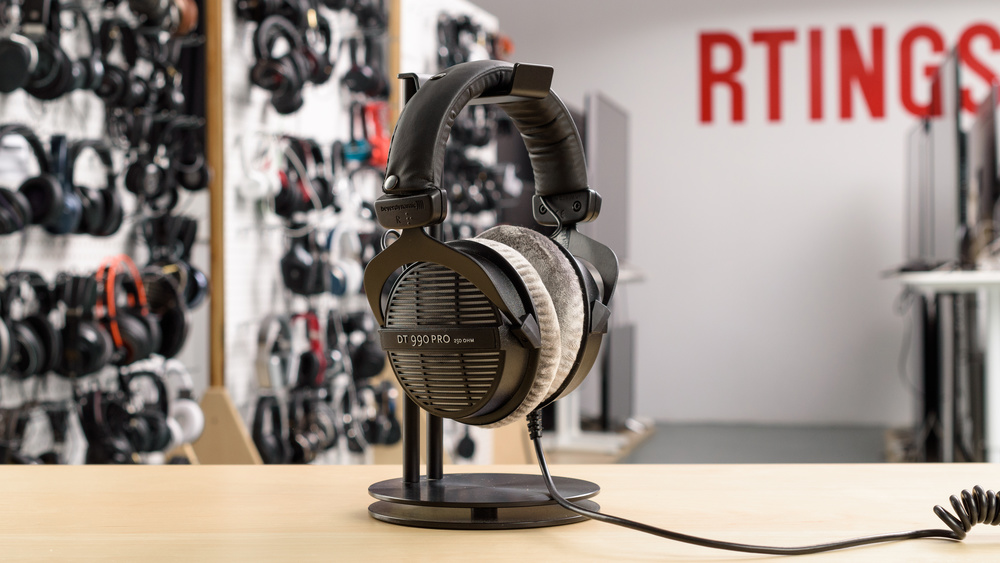
1. Beyerdynamic DT 990 Pro — The Competitive King
Type: Open-back, dynamic
Sound Signature: V-shaped (boosted bass, boosted treble)
Best for: Competitive shooters (CS2, Valorant, Apex Legends)
The DT 990 Pro is legendary in gaming communities because its imaging is razor-sharp. Its characteristic V-shaped signature emphasizes treble and bass, which makes positional cues (gunshots, footsteps, reloading) “pop” out of the mix in a way that is immediately detectable.
Pros:
- Unmatched imaging precision for competitive shooters
- Wide, airy soundstage
- Extremely comfortable velour earpads and durable German build
- Highly amenable to EQ (the treble peak can be easily tamed)
Cons:
- Bright treble is fatiguing for some users over long sessions
- 250Ω impedance requires a dedicated amplifier (don’t buy this if you don’t have one)
Gaming Tip: Pair this with a dedicated amplifier like the FiiO K7 to ensure the power requirements are met.
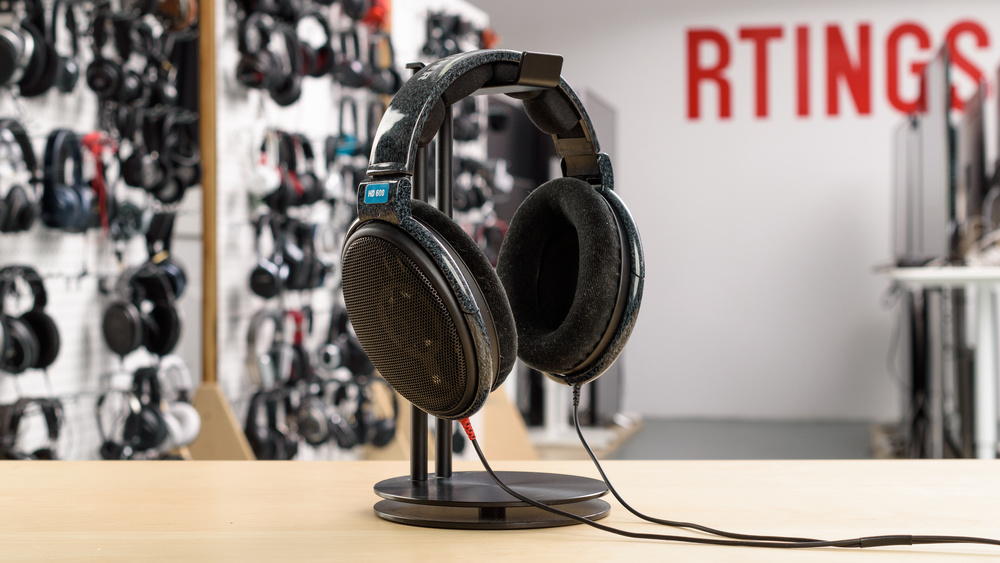
2. Sennheiser HD 560S — The Neutral Precision Pick
Type: Open-back, dynamic
Sound Signature: Neutral-bright
Best for: Tactical shooters, open-world exploration, long-session gamers
The HD 560S is for gamers who value natural sound and accuracy over the “exciting” V-shaped energy of the DT 990 Pro. Its neutral, Harman-target-aligned sound signature ensures every sound in the game is represented exactly as the developers intended.
Pros:
- Exceptional positional accuracy
- Natural, non-fatiguing sound signature
- Light weight and comfortable for 6+ hour sessions
- Drives easily from almost any source
Cons:
- Neutral sound may feel “boring” to listeners used to bass-heavy headsets
- Open-back design provides no isolation
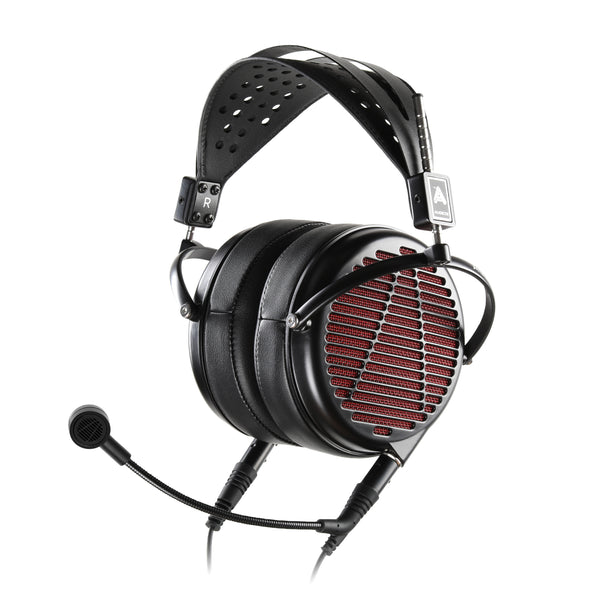
3. Audeze LCD-X — The Premium Audiophile Gaming Experience
Type: Open-back, planar magnetic
Sound Signature: Neutral-warm
Best for: Immersive storytelling, high-budget cinematic games
The LCD-X is a significant investment, but for cinematic gaming, it’s peerless. The planar magnetic driver provides bass reproduction that dynamic headsets simply cannot match — deep, physical, and textured.
Pros:
- Visceral bass and detail retrieval
- Professional-grade imaging precision
- Robust, studio-standard build quality
Cons:
- Very heavy; requires desk-bound comfort
- Expensive; requires quality amplification
- Significant investment for a gaming-only setup
The Microphone Problem: How to Solve It Properly
“Gaming headsets” are mostly bought for the integrated microphone. If you switch to an audiophile headphone, you need an alternative. Fortunately, this is both cheap and better-sounding:
- Desktop Boom Arm Microphone: A basic USB microphone (e.g., Rode NT-USB, Blue Yeti, or newer budget competitors) on a small boom arm is significantly better than any headset mic.
- ModMic / Attachments: A ModMic attaches directly to your headphone earcup and provides excellent voice quality while keeping your setup clean.
- Desktop Boom Mic: If your setup allows it, a high-quality desktop microphone provides professional-level audio that will make your Discord or team chat teammates genuinely appreciate the upgrade.
Frequently Asked Questions
Q: Do I need 7.1 virtual surround sound? A: No. In 2026, the HRTF (Head-Related Transfer Function) algorithms in modern gaming engines already account for spatialization. A high-quality pair of stereo open-back headphones provides better directional data than any software-simulated surround environment.
Q: Open-back or closed-back for gaming? A: Open-back is superior for soundstage and imaging. If you are in a quiet room, always choose open-back. If you live in a noisy apartment or have housemates/roommates who make noise, choose a closed-back like the Beyerdynamic DT 770 Pro to retain isolation.
Q: Are these harder to drive than gaming headsets? A: Yes. Many gaming headsets are low-impedance/high-sensitivity designs intended to work from a controller jack. Audiophile headphones like the DT 990 Pro (250Ω) need dedicated power. Check the specs and budget for an amplifier if needed.
Conclusion
Audiophile headphones aren’t just for music — they’re the single most impactful upgrade you can make to your gaming experience. Whether it’s the analytical precision of the Sennheiser HD 560S for tactical FPS games or the wide-stage excitement of the Beyerdynamic DT 990 Pro for competitive shooters, you’re getting engineering that serves your ears, not a marketing budget.
For more on choosing your headphone-source pair, read How to Choose a Headphone Amplifier: The Complete Guide 2026.