Classical music is the acid test for audio equipment. When you’re listening to an orchestra, you aren’t listening to a produced, studio-layered mix; you are listening to a physical event in an acoustic space. You need a headphone that can capture the decay of a violin note, the tactile resonance of a double bass, the precise spatial placement of the brass section, and the massive dynamic range between a whisper-quiet solo passage and a full-orchestra crescendo.
This guide ranks the best audiophile-grade headphones for classical music in 2026, explains why “open-back” is essentially mandatory, and details the amplification requirements for high-dynamic-range classical recordings.
Why Classical Music Demands Open-Back Headphones
Closed-back headphones, even high-end ones, create a rear-chamber resonance that colors the bass and creates a “claustrophobic” soundstage. Classical music relies on that spatial information — the air around the instruments — to feel convincing.
When you listen to a recording from the Vienna Musikverein, you aren’t just listening to the instruments; you are listening to the hall. An open-back design allows that spatial data to come through with clarity, creating a convincing “speaker-like” soundstage that closed-backs fail to replicate. For classical, avoid closed-back designs if you have a quiet listening environment.
1. Focal Clear Mg — The Dynamic Driver Reference
Type: Open-back, dynamic
Sound Signature: Neutral, fast
Best for: Dynamics, micro-detail, instrument texture
The Focal Clear Mg is arguably the most capable dynamic driver headphone in the sub-$1,500 tier for classical music. Focal’s proprietary magnesium dome driver is fast, controlled, and exceptionally linear.
Pros:
- Transient speed that captures the attack of a bow or the strike of a percussion mallet perfectly
- Natural, textured midrange that makes string instruments sound “woody” and real
- Unmatched imaging — you can pinpoint the first and second violin sections with precision
- Excellent build quality and luxury materials
Cons:
- Requires clean amplification to prevent brightness
- Premium price tag
Classical Music Note: The transient speed here is the critical factor. When a conductor cues the percussion section, you want to hear the immediate impact, not a muddy, slow sound. The Clear Mg provides this snap effortlessly.
2. Sennheiser HD 600 — The Midrange Master
Type: Open-back, dynamic
Sound Signature: Natural-neutral
Best for: Vocals, string-forward arrangements, long-session listening
The HD 600 has been the standard for classical and vocal listening for decades. It doesn’t have the wide stage or analytical speed of modern flagships, but its midrange timbre is arguably the most natural-sounding of any headphone ever made.
Pros:
- Midrange timbre that makes string arrangements sound lush and correct
- Non-fatiguing treble — perfect for recordings that might be otherwise sharp
- Extremely comfortable velour pads
- Excellent value for the performance
Cons:
- Limited soundstage compared to the Focal Clear Mg or HD 800S
- 300Ω impedance mandates a powerful amplifier
Classical Music Note: If you find modern high-end headphones to be too bright or “etched” for your taste, the HD 600’s natural, smooth midrange will be a relief. It makes string arrangements feel organic rather than technical.
3. HiFiMAN Sundara — The Planar Alternative
Type: Open-back, planar magnetic
Sound Signature: Neutral-bright
Best for: Spatial spaciousness, detail-oriented classical listening
If you prefer a wider, more spacious soundstage than the HD 600 offers, the planar Sundara is a strong alternative. Its low-frequency extension and planar speed provide a clean, uncluttered presentation of complex orchestral passages.
Pros:
- Wide, airy soundstage
- Excellent resolution of micro-details
- Planar bass is tight, textured, and well-controlled
- Exceptional value at current price points
Cons:
- Requires proper amplification (do not plug this into a phone)
- Build quality is less premium than Focal/Sennheiser options
Classical Music Note: For dense orchestral scores (Mahler, Wagner), the Sundara’s separation helps you keep individual instrument sections distinct rather than letting them blur together.
Amplification: The Dynamic Range Challenge
Classical music has a wide dynamic range. In a Mahler symphony, the transition from a solo flute to a full-orchestra ff (fortissimo) passage requires an amplifier with significant voltage headroom. If your amplifier doesn’t have the power, your headphone will compress during crescendos, losing the natural impact of the music.
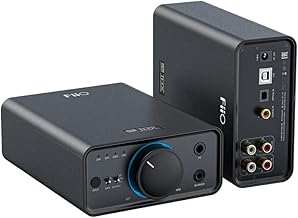
Don’t skimp on the DAC/amp. A quality desktop unit like the iFi Gryphon or a Schiit Asgard provides the clean power and dynamic headroom needed for classical recordings.
Frequently Asked Questions
Q: Do I need expensive cables for classical? A: No. A high-quality copper cable is sufficient. Don’t waste your budget on boutique cables; spend it on a better DAC or amplifier instead.
Q: Is planar better than dynamic for classical? A: Both have strengths. Planar headphones (Sundara) typically have cleaner, faster bass and wider staging. Dynamic headphones (Clear Mg, HD 600) often offer more natural, organic midrange timbre. Both are used by professional mastering engineers.
Conclusion
Whether you choose the natural timbre of the Sennheiser HD 600 or the transient speed of the Focal Clear Mg, you’re getting a tool that will change how you hear classical recordings. The difference between consumer-grade equipment and these open-back references is the difference between “hearing the notes” and “feeling the hall.”
For more on choosing your system, read Best Headphones Under $1000 in 2026.