The $200–$1,000 headphone amplifier market in 2026 covers a wide range of design philosophies: fully-differential solid-state designs chasing measurement perfection, discrete op-amp topologies that prioritize headroom, and hybrid or tube-based stages that add deliberate color. Choosing the right amp is not just about power output — it is about matching the amp’s character to your headphones and your listening preferences.
This guide focuses on dedicated headphone amplifiers (not DAC/amp combos). If you want combined units, see Best Desktop DAC/Amp Combos 2026. Here we are covering amplifiers designed to be paired with your existing DAC.
Why a Dedicated Amplifier Matters
Integrated DAC/amp units are excellent value propositions, but there is a real benefit to separating the two functions — especially at higher headphone price points. A dedicated amplifier can put more engineering budget into the output stage: lower output impedance, better power supply rejection, cleaner noise floor under load. When you spend $300+ on headphones, these differences become audible.
More practically: when you upgrade headphones, you upgrade only the headphone. Your amplifier stays in the chain and continues to pay dividends.
Under $300: The Transparent Foundation
Drop + THX AAA 789
Price: ~$200 | Topology: THX AAA (feed-forward noise cancellation) | Output: 4-pin XLR + 6.35mm SE Check price on Amazon →
The THX AAA 789 is the defining product of the “measurements above all” era in headphone audio. THX’s AAA (Achromatic Audio Amplifier) topology uses feed-forward error correction to achieve distortion figures that are essentially below the noise floor of the measurement equipment. The 789 specs out at:
- Output power: 6,000 mW into 16Ω (balanced), 1,500 mW into 300Ω (balanced)
- THD+N: < 0.0003%
- SNR: > 130 dB
- Output impedance: < 0.5Ω
- Gain: Low (0 dB), Mid (+9.5 dB), High (+18 dB)
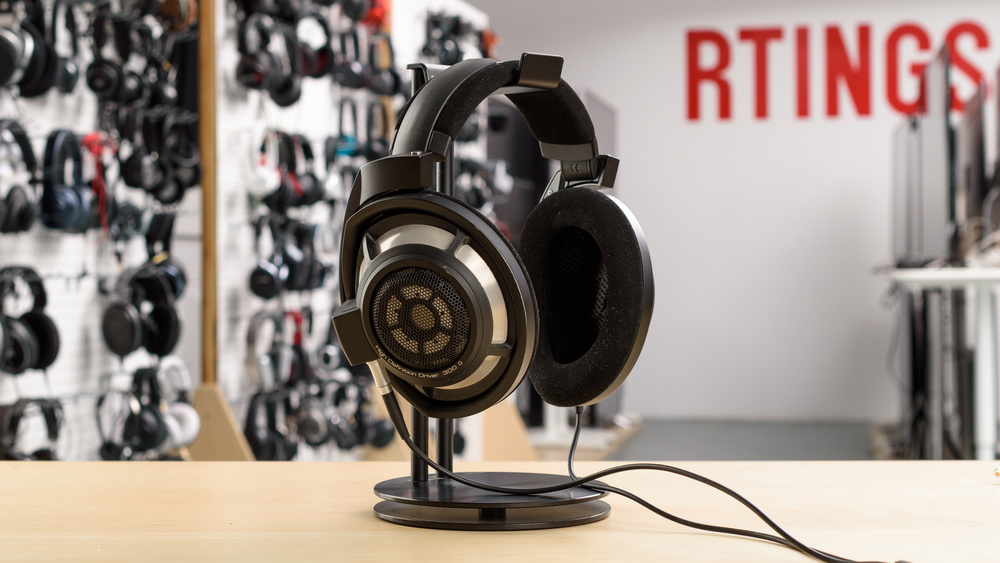
The 789’s sound character is, essentially, nothing — and that is the point. It amplifies the signal without adding to it. For headphones that are already tonally correct (like the Sennheiser HD 800S, or a properly EQ’d HiFiMAN Sundara), the 789 gets out of the way completely.
Where the 789 falls short: it can sound “dry” or “flat” with already-neutral headphones on genres that benefit from warmth. It is also a fully balanced design — you need a balanced source (4-pin XLR input) to use the balanced output.
Best for: Measurement-focused listeners, HD 800S owners, anyone building a reference system.
$300–$600: The Performance Tier
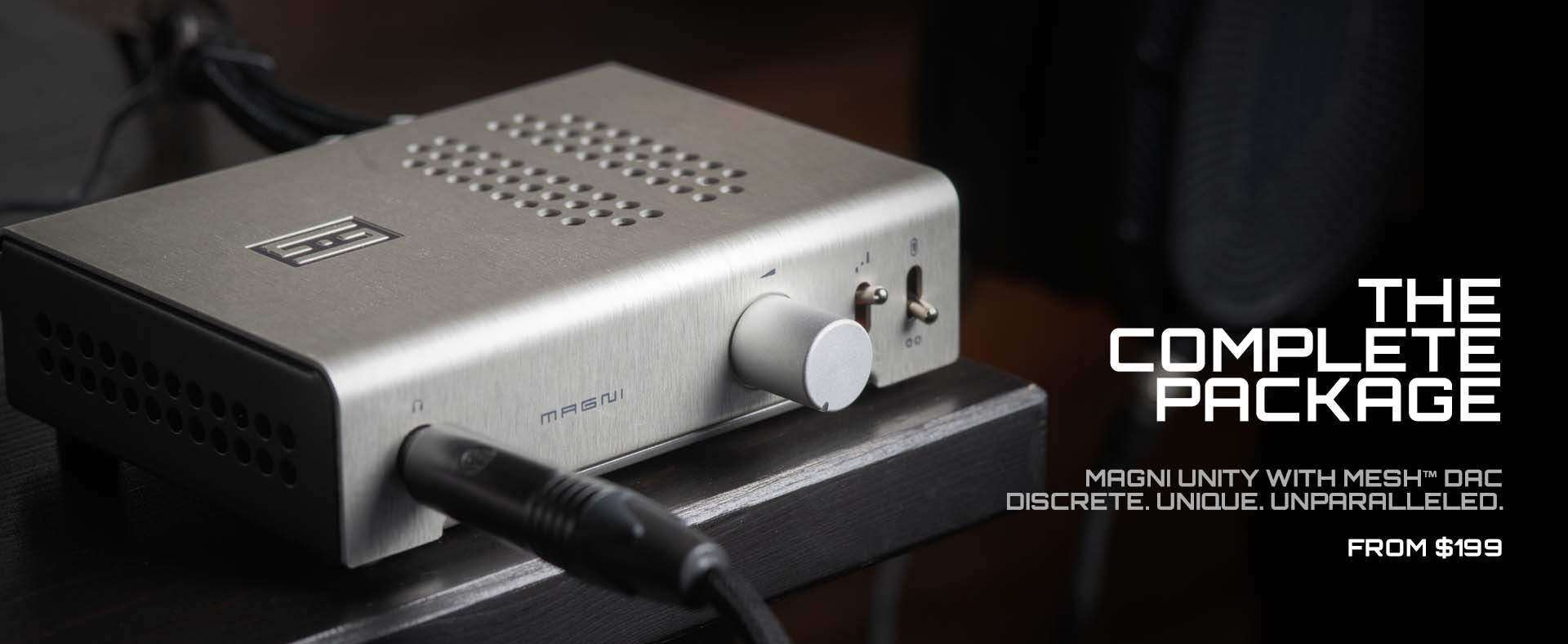
Schiit Magnius
Price: ~$250 | Topology: Fully differential discrete | Output: 4-pin XLR + 6.35mm SE Check price on Amazon →
The Schiit Magni/Modius stack represents Schiit’s value engineering at its best. The Magnius specifically is the balanced amp in the Magni family — fully differential, discrete output stage, made in the USA.
Specs:
- Output power: 5,000 mW into 32Ω (balanced)
- THD+N: < 0.001% (1V RMS, 32Ω)
- Noise: < 3 µV (balanced), 20Hz–20kHz
- Output impedance: < 0.1Ω
- Gain: Low / High
The Magnius is slightly warmer than the THX 789 — it has a touch of midrange body that the THX does not. This works in its favor with mid-forward headphones and brighter electrodynamic designs. Schiit’s build quality on this unit is excellent, and the US manufacturing warranty support is genuinely reassuring.
Pair it with the Schiit Modius DAC for a balanced-capable stack under $400 total. This is the gold-standard of value in 2026 for high-impedance headphones.
Best for: Beyerdynamic, Sennheiser HD-series, anyone who wants US manufacturing at an honest price.
Topping A90 Discrete
Price: ~$500 | Topology: Fully discrete NFCA | Output: 4-pin XLR + 6.35mm SE + 4.4mm Pentaconn Check price on Amazon →
The Topping A90 Discrete is a significant step up in measurement performance and feature set. It uses Topping’s NFCA (Nested Feedback Composite Amplifier) topology — a fully discrete, multi-stage amplifier that achieves extraordinary distortion figures while maintaining excellent transient response.
Specs:
- Output power: 8,600 mW into 16Ω (balanced)
- THD+N: < 0.00006% (at 1V, 300Ω)
- SNR: > 142 dB (A-weighted, balanced)
- Noise: < 0.8 µV (balanced)
- Output impedance: < 0.1Ω
The A90 Discrete is the most powerful sub-$600 amplifier available and measures among the best solid-state amplifiers ever made at any price. The 4.4mm balanced output is a useful addition for headphones terminated with Pentaconn connectors.
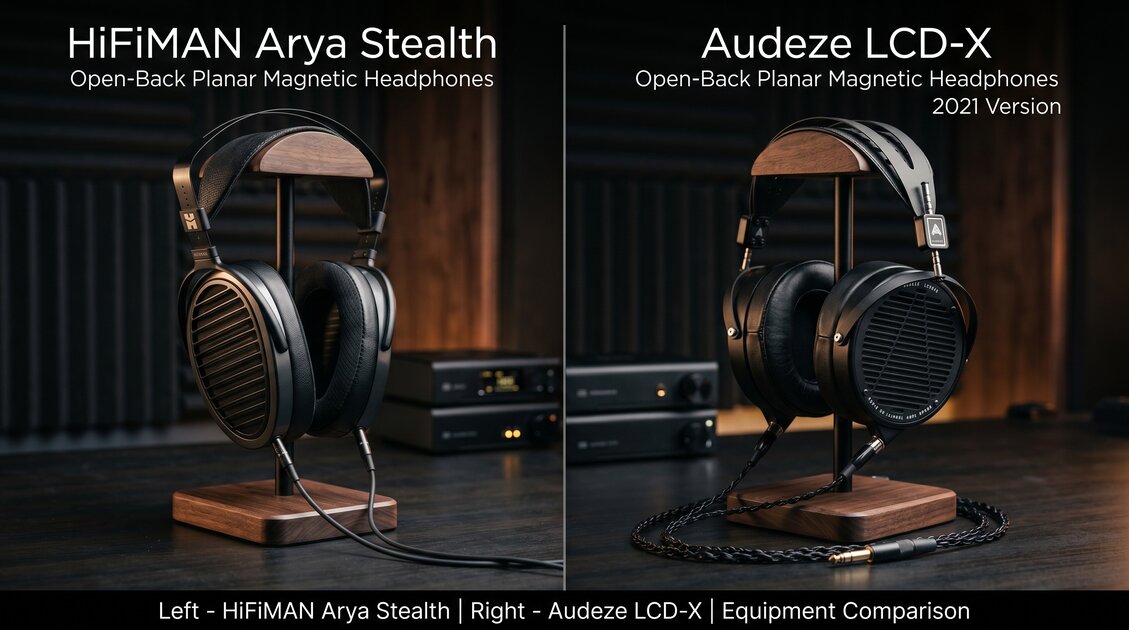
Sound character: The A90 Discrete is perceptibly cleaner and airier than the THX 789, with better imaging on top-tier headphones. If you own an HiFiMAN Arya Stealth or Focal Clear Mg, the A90 Discrete reveals layer separation that lower-tier amps compress.
Best for: Users with demanding planar magnetics, top-tier dynamics, anyone who wants a reference amplifier for under $500.
$600–$1000: Where Character Enters
iFi ZEN CAN Signature 6XX
Price: ~$400 | Topology: Solid-state with iFi XBass and XSpace DSP | Output: 4-pin XLR + 4.4mm + 6.35mm Check price on Amazon →
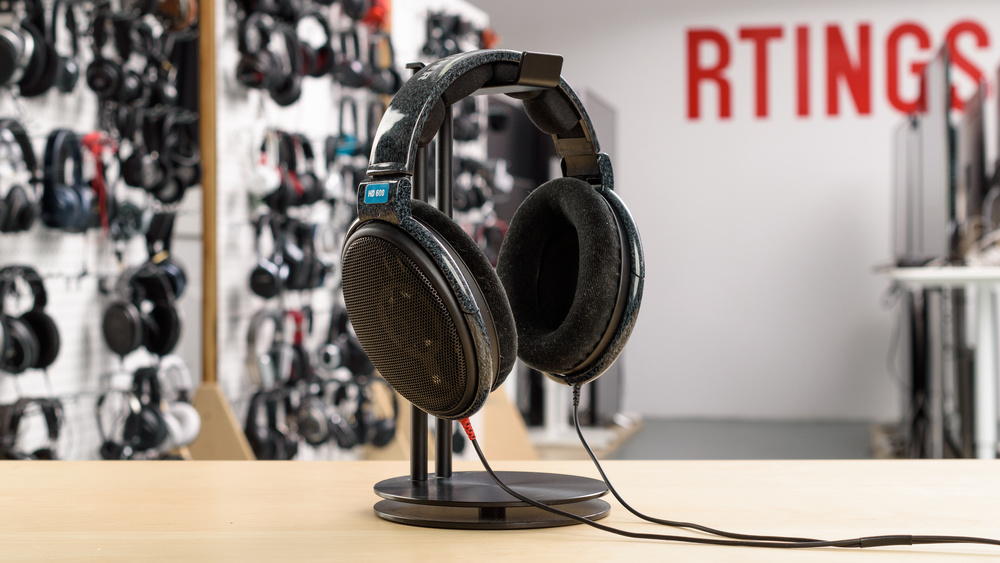
The iFi ZEN CAN Signature was co-designed with Drop and Sennheiser specifically for the HD 6XX — which means it is purpose-optimized for 150–300Ω Sennheiser headphones. The analog stage is voiced slightly warm and rich in the midrange. The XBass+ circuit adds a shelf below 150 Hz (real analog bass boost, not digital) that is genuinely useful for acoustic or jazz listening sessions.
Unlike the THX 789 and Topping A90 Discrete, the ZEN CAN Signature is not chasing measurement minimalism. It is an “analog flavor” amp with personality. Some listeners will love this; some will find it obscures detail.
Specs:
- Output power: 1,500 mW into 16Ω (balanced)
- THD: < 0.002%
- SNR: > 115 dB
- Output impedance: < 1Ω
Best for: HD 600/650/6XX/660S2 owners who want a musical, non-fatiguing amp; those who use the XBass feature with acoustic music.
Benchmark HPA4 (Reference Tier)
Price: ~$2,800 (mentioned for context)
If your budget stretches toward the top of this guide’s range and beyond, the Benchmark HPA4 is the reference standard. It measures better than the A90 Discrete and has a genuine balanced architecture with remote volume control. But for most headphones in 2026, the A90 Discrete is sonically indistinguishable from it.
Power vs. Transparency: Understanding What You Need
Transparency: You want maximum transparency — an amp that “does nothing” — when your headphones are already voiced correctly. The Sennheiser HD 800S is a good example: it is a near-perfect headphone that just needs clean, high-voltage amplification.
Power: High-impedance dynamics need voltage. Planar magnetics need current. A 300Ω headphone running on an under-powered amp will sound compressed, with rolled bass and a congested soundstage. Always verify power output at your headphone’s impedance before buying.
Output Impedance: This is the most overlooked spec. Headphones with variable impedance curves (most electrodynamics, all multi-driver hybrids) change their tonal balance depending on the amplifier’s output impedance. An output impedance of < 1Ω is the standard to target. The IEF/ASR rule of thumb: amplifier output impedance should be 1/8th or less of the headphone’s nominal impedance.
Pros & Cons Summary
| Amplifier | Power | Transparency | Flavor | Balanced Out |
|---|---|---|---|---|
| THX AAA 789 | ★★★★★ | ★★★★★ | None | 4-pin XLR |
| Schiit Magnius | ★★★★★ | ★★★★ | Slight warmth | 4-pin XLR |
| Topping A90 Discrete | ★★★★★ | ★★★★★ | None | 4-pin XLR + 4.4mm |
| iFi ZEN CAN Signature | ★★★ | ★★★ | Warm + musical | 4-pin XLR + 4.4mm |
FAQ
Q: Do I need a balanced amplifier? Balanced amplification reduces noise and often provides more power. If your DAC has balanced outputs and your headphones support balanced termination (or you are willing to recable), a balanced amp is worth prioritizing. The improvement is most audible on sensitive IEMs (blacker background) and on demanding planars (better dynamics).
Q: Will a more expensive amp make a $150 headphone sound better? Marginally. A better amp resolves more of what the headphone can offer. But a $500 amp paired with a $150 headphone is a poor allocation of budget — invest in the headphone first and add a better amp when your headphones demand it.
Q: Is there a point where more amplifier power stops mattering? Yes. Once you can drive your headphones to dangerous listening volumes (typically 100 dB SPL) with significant headroom remaining, additional power does not improve sound quality. Headroom is important for dynamic peaks, but beyond that, focus on noise floor and distortion measurements.
Conclusion
For most audiophiles in 2026, the THX AAA 789 or Schiit Magnius represents the sweet spot: extraordinary performance per dollar, sufficient power for everything short of the HE-6se, and enough transparency to reveal the full quality of your headphones. Step up to the Topping A90 Discrete if you own HiFiMAN Arya-class headphones or above. And if you want musical color over strict accuracy, the iFi ZEN CAN Signature is the best “flavored” amp in this price bracket. These amps will breathe life into even the most power-hungry cans.