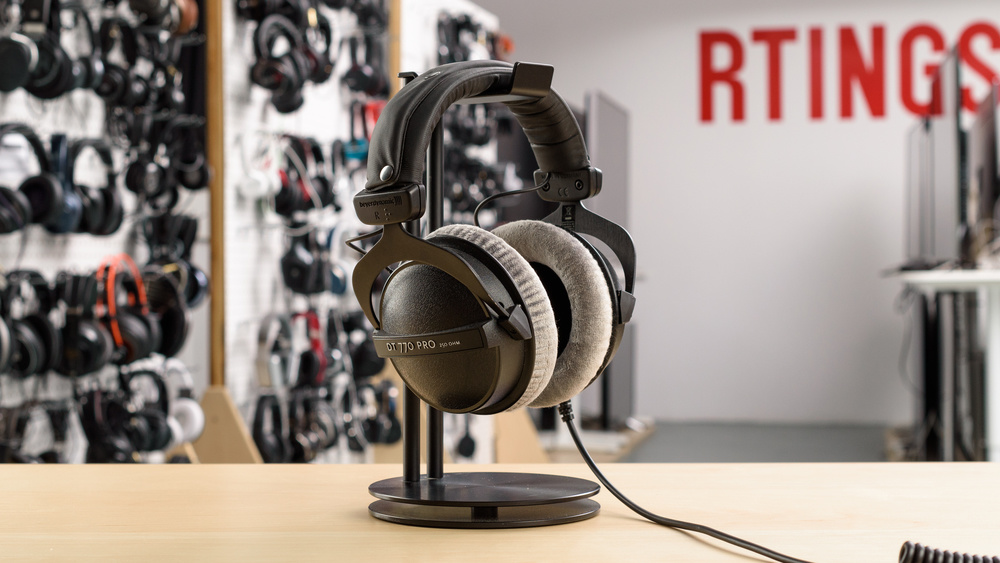
Closed-back headphones occupy a specific and non-negotiable role in professional audio work. When you’re recording vocals in a booth, tracking live instruments, or monitoring in an environment where you can’t control ambient noise, the sealed design of a closed-back is not a compromise — it’s a requirement. The alternative is microphone bleed, ruined takes, and mixing decisions made in a room you can’t fully trust acoustically.
In 2026, the closed-back studio headphone market is mature and well-supplied. The question is not whether you can find a good one — you can, at nearly every price point — but which one serves your specific working situation. This guide covers the top contenders from budget through professional, with honest assessments of where each fits.
What to Look for in a Studio Closed-Back
Before the picks, understand what actually matters for studio monitoring in a closed-back headphone:
Frequency response accuracy. You’re making decisions — EQ, compression, level — from these headphones. A V-shaped, heavily colored response will lead you toward mixing decisions that sound wrong on other systems. Look for headphones that aim for a flat, studio-reference response. The truth is that most closed-backs have some coloration; your job is to learn the coloration of your headphones so you can compensate for it.
Passive isolation. More isolation means cleaner recordings when tracking. The typical closed-back provides ~15–20 dB of passive attenuation — adequate for most studio situations. For heavily amplified environments (drum tracking, live room recording), in-ear monitors may be a better choice.
Long-session comfort. Recording sessions can run for hours. Velour earpads, light clamping force, and weight distribution matter as much as driver quality.
Durability and serviceability. Studio gear takes abuse. Replaceable cables and pads are important for professional tools.
1. Beyerdynamic DT 770 Pro — The Studio Tracking Standard
Beyerdynamic DT 770 Pro X on Amazon
Driver type: 45mm dynamic
Impedance: 32/80/250Ω (studio use: 80Ω or 250Ω)
Sensitivity: 96 dB SPL
Frequency response: 5Hz – 35,000Hz
Price: ~$130–160
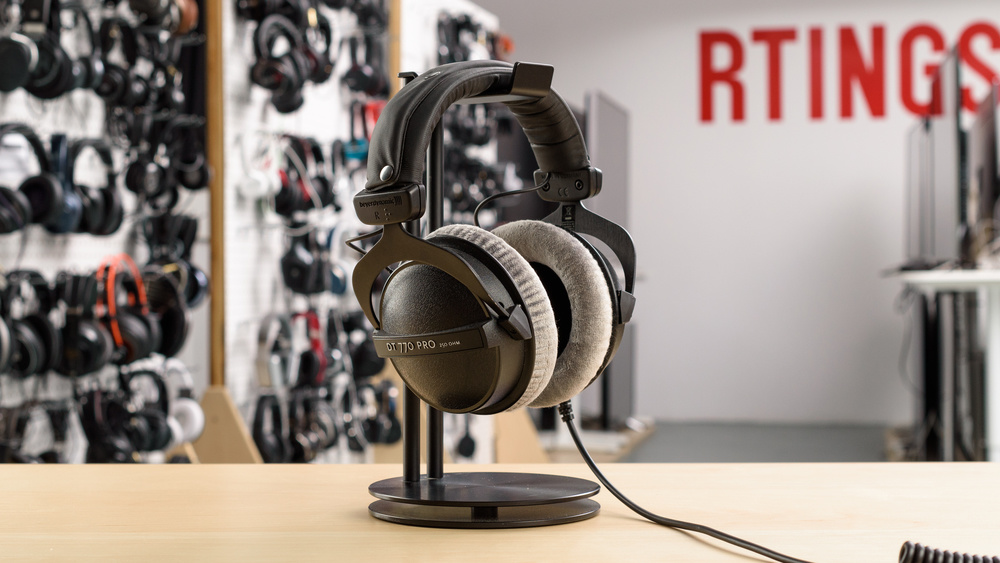
If there is a single headphone that has appeared in more studio tracking setups than any other, the Beyerdynamic DT 770 Pro is it. Its combination of solid passive isolation, comfortable velour earpads, durable German-manufactured construction, and a sound signature that works well for tracking has made it the default choice in professional studios for decades.
The sound is V-shaped — elevated bass and bright, detailed treble with a slightly recessed midrange. This is not an accurate flat reference, which means you should not be making primary mixing decisions from it. What it is excellent for is tracking: it provides enough low-end presence to feel satisfying while recording, and the treble clarity helps vocalists and performers hear detail in their monitoring mix. Most importantly, it keeps the performer happy and comfortable during long takes.
The 250Ω version provides the most refined sound and is the choice for studio interfaces (Focusrite Scarlett, Universal Audio Apollo, PreSonus, etc.) that can drive high-impedance loads. The 80Ω version balances studio and home use. The 32Ω version is for phones and weak sources.
Build quality is exceptional: Beyerdynamic offers individual replacement parts for the DT 770 Pro — pads, cables, headband cushion, even drivers. This is a headphone built to be repaired, not replaced.
Best for: Tracking vocals, tracking instruments, any recording session where headphone bleed is a concern, studio and podcasting environments.
2. Focal Listen Professional — Neutral Monitoring, French Engineering
Focal Listen Professional on Amazon
Driver type: 40mm dynamic, aluminum/copper dome
Impedance: 32Ω
Sensitivity: 104 dB SPL/mW
Frequency response: 5Hz – 22,000Hz
Price: ~$250–300
The Focal Listen Professional is the option for engineers who need a closed-back that can actually serve as a mixing reference — not just a tracking tool. Its frequency response is noticeably flatter and more accurate than the DT 770 Pro’s V-shaped signature, which means it can be used for critical EQ decisions and mixing judgments with more confidence.
Focal’s driver engineering — the company also produces the celebrated Clear and Utopia open-back headphones — carries through to this professional closed-back. The aluminum and copper dome driver delivers quick transients, controlled bass, and clear midrange reproduction. It’s not a perfect flat reference (no headphone is), but it’s closer to neutral than almost anything in this price range in a closed-back format.
The build is solid and professional, with a foldable design for portability. At 32Ω with 104dB sensitivity, it’s easy to drive from any interface or portable source — no dedicated amplifier required.
Best for: Mixing engineers who need a closed-back for late-night sessions, tracking environments where the headphone needs to serve double duty as both tracking and mixing reference.
3. Sennheiser HD 820 — Reference-Level Closed-Back
Driver type: 56mm dynamic with Gorilla Glass rear reflector
Impedance: 300Ω
Sensitivity: 103 dB SPL
Frequency response: 10Hz – 42,000Hz
Price: ~$1,500–2,000
The HD 820 is Sennheiser’s closed-back flagship, and it occupies a unique technical position: a 300Ω closed-back headphone with Gorilla Glass rear reflectors specifically engineered to manage the rear wave of the driver. The glass surface reflects and diffuses the internal acoustic energy in a controlled way, reducing the resonance artifacts that typically make closed-backs sound congested and colored.
The result is a closed-back that sounds more open than any closed-back at this price should. The soundstage is genuinely wide — approaching some open-back headphones in spatial presentation — and the frequency response is among the most accurate available in a sealed design. Bass is controlled and extended. Midrange is Sennheiser’s characteristic clarity and naturalism. Treble is detailed and extended without the peaks that appear in Beyerdynamic designs.
The 300Ω impedance demands a serious amplifier — don’t buy the HD 820 without budgeting for appropriate desktop amplification. From a standard interface headphone output, it will sound thin and congested.
Best for: Reference mastering, critical mixing, professionals who need the highest-quality closed-back monitoring available and can invest in proper amplification.
Why Closed-Back for Studio Work?
The choice of closed-back over open-back in a studio context comes down to one issue: bleed.
If you’re recording a vocalist with a condenser microphone 30cm from their face, and they’re wearing open-back headphones at any reasonable volume level, your microphone will capture the headphone output — the click track, the reference mix, everything — directly into your recording. This ruins the take. The only solution is enough isolation that the headphone’s output doesn’t reach the microphone’s pickup pattern at audible levels.
A typical closed-back provides ~15–20 dB of passive isolation. A condenser microphone with appropriate rejection from the monitor position will then attenuate the remaining spill further. In most studio environments, this is sufficient.
For more heavily amplified environments — drum tracking, where the drummer needs significant monitoring volume — even the best closed-back may not fully solve the bleed problem. In those cases, in-ear monitoring systems provide better isolation and more practical SPL levels for the drummer.
Pairing Your Closed-Back with a Studio Interface
All three headphones in this guide will perform at their best when connected to a studio audio interface rather than a consumer DAC/amp. Interfaces like the Focusrite Scarlett 2i2, Universal Audio Volt, or PreSonus AudioBox are designed to drive both low- and high-impedance headphones across a wide range of monitoring levels. The headphone output quality on most modern interfaces is genuinely good and appropriate for studio monitoring.
For home studio setups without a full interface, a dedicated headphone amplifier or DAC/amp combo (Schiit Magni Heresy, Topping A30 Pro) provides an appropriate quality level. Don’t monitor from a laptop headphone jack and expect useful results on any of the headphones in this guide.
For portable monitoring options while working on the move, check out our guide to the best portable DAC/amps 2026.