The Audeze LCD-2 Classic is one of the foundational products in modern audiophile headphone history. When it launched over a decade ago, it demonstrated that planar magnetic technology could be commercially viable and sonically superior to dynamic drivers in specific ways—particularly in bass control, transient speed, and low harmonic distortion. The LCD-2 didn’t just enter the market; it created a new category that dozens of competitors have since followed.
In 2026, the LCD-2 Classic persists as Audeze’s entry point into their flagship LCD lineup, a position it’s occupied through multiple revisions and ongoing competition from an increasingly crowded field. The question isn’t whether it was historically significant—it was. The question is whether it remains relevant today, and whether the now-familiar tradeoffs (weight, price, power requirements) are still worth accepting for what it offers sonically.
The answer is complicated, and depends significantly on what you’re buying it for.
Specifications
| Spec | Value |
|---|---|
| Driver Type | Planar magnetic, Fazor elements |
| Impedance | 70 Ω |
| Sensitivity | 101 dB / 1mW |
| Frequency Response | 10 Hz – 50 kHz |
| Driver Size | 106mm |
| Weight | ~550 g |
| THD | < 0.1% at 100 dB |
The 70-ohm impedance sits in an interesting middle ground—higher than most modern planars (HiFiMAN typically runs 16–32 ohms), but lower than classic dynamic driver headphones at 150–300 ohms. The 101 dB/mW sensitivity means it’s not dramatically hard to drive loud, but the low impedance means it benefits from amplifiers with good current delivery rather than just high voltage output.
The 106mm circular driver is large by any standard. This physical size is one of the reasons the LCD-2 sounds the way it does—larger diaphragm area moves more air, contributes to the sense of physical bass impact, and creates a different acoustic character than smaller planar drivers.
Design and Build
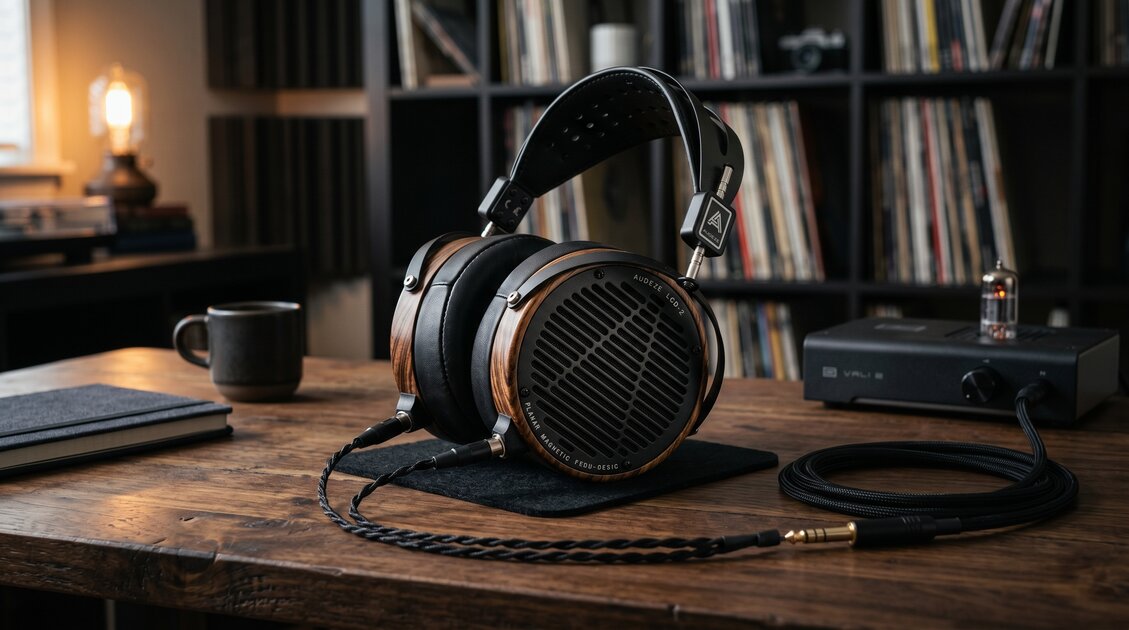
The LCD-2 Classic uses Audeze’s standard LCD chassis: anodized aluminum cups, a headband with a suspension system that Audeze has refined over multiple iterations, and large circular earcups with replaceable protein leather or velour pads depending on the version.
Construction is solid and genuinely premium-feeling. The aluminum is machined, the grilles are laser-cut metal, and the hardware throughout feels like it was built to last. Audeze headphones have a reputation for durability that’s generally well-earned, and the LCD-2 Classic is consistent with that—assuming the driver diaphragm (which can be fragile if physically damaged) remains intact.
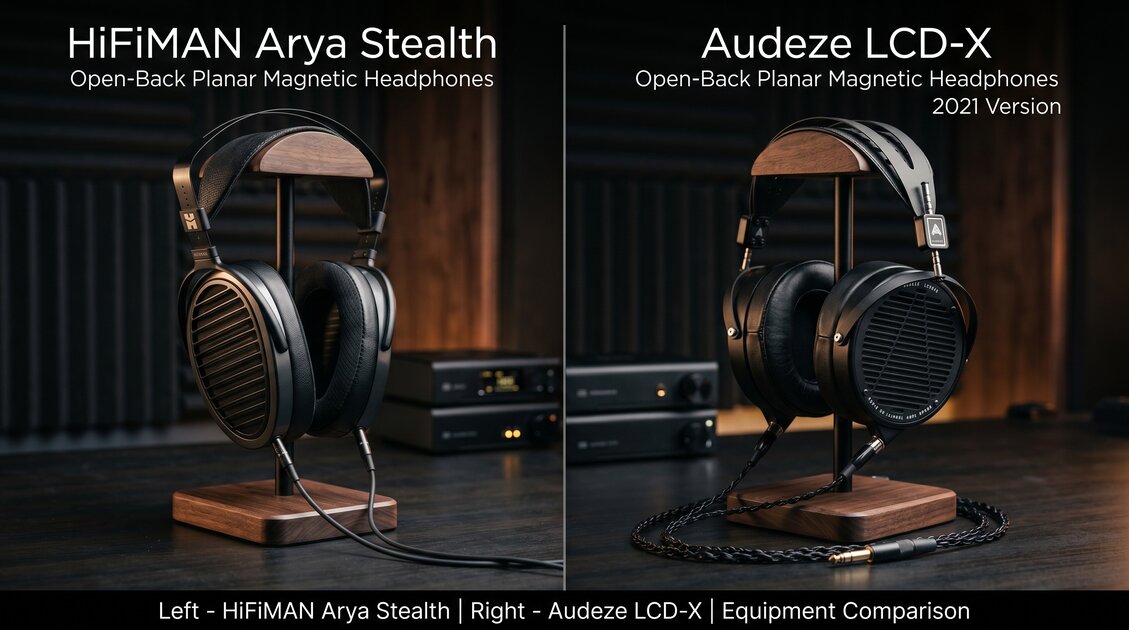
The elephant in the room is weight. At approximately 550g, the LCD-2 Classic is substantially heavier than most competitors. Sennheiser’s HD 800S weighs 330g; HiFiMAN’s Arya Stealth is around 430g with headband. The Audeze weight is immediately felt from the moment you put them on, and while the headband system distributes weight reasonably well, extended listening sessions beyond 45–60 minutes become physically uncomfortable for many listeners. This is the most commonly cited practical limitation of the LCD-2, and it’s legitimate.
The detachable cable system uses a dual mini-XLR connector at the cups, which is sturdy and enables easy aftermarket cable upgrades.
Sound Signature
Bass
This is where the LCD-2 Classic makes its strongest case, and it’s a compelling one. The bass is not just extended—it has a sense of physical weight and texture that planar drivers with smaller diaphragms don’t replicate. Sub-bass reaches cleanly below 20 Hz with the full authority of a 106mm driver. Midbass has presence and body without the bloom or slowness of poorly-controlled dynamic drivers.
The character is often described as “dark” because the bass is genuinely prominent relative to the upper frequencies, but this isn’t distortion or artificial enhancement—it’s the LCD-2’s fundamental tonal balance. Electric bass, kick drums, orchestral low brass, and electronic low-end all have a visceral quality that makes the headphone compelling for genres that depend on low-frequency impact.
Critically, the bass is textured. Audeze’s Fazor waveguide elements improve phase coherence through the driver, and the practical effect is that bass instruments have individual character: you can distinguish the wood and string of an upright bass from the weight of an electric; a drumhead’s tightness is communicated in the decay after the kick drum’s impact.
Midrange
The LCD-2 Classic’s midrange is warm, slightly dark, and rich. Voices have a natural weight and body that many listeners find musically satisfying. The frequency response through the 1–4 kHz region is slightly recessed compared to reference-neutral headphones, which contributes to the “lush” quality that LCD-2 enthusiasts consistently describe.
For listeners who use it for vocal-centric music—soul, jazz, acoustic singer-songwriter material—this midrange character is genuinely pleasing. For critical mixing or mastering work where frequency balance accuracy is essential, the warm tonal character introduces coloration that requires mental accounting.
Treble
Darker and more rolled-off than competing headphones in this price range. The LCD-2 Classic is not an air-and-sparkle headphone—high-frequency detail is present but doesn’t dominate the presentation. This makes the headphone more forgiving of bright or harshly mastered recordings, and significantly reduces long-session fatigue.
The tradeoff is a slight reduction in perceived “air” and high-frequency resolution. Listeners who prize cymbal texture, string harmonics, or ultra-fine detail retrieval in the upper frequencies will find the LCD-2 Classic somewhat opaque in that range compared to HiFiMAN’s offerings or Sennheiser’s HD 800S.
Soundstage
Moderate. The LCD-2 Classic presents a more intimate, focused soundstage than the HiFiMAN Arya or Sennheiser HD 800S. The presentation is precise and well-imaged without the wide, diffuse quality of large-soundstage headphones. For studio reference work, this is appropriate—you want to hear what’s in the mix, not have it spread artificially. For listener immersion, it feels slightly claustrophobic compared to wider-staging alternatives.
Source Pairing
At 70 ohms and 101 dB/mW, the LCD-2 Classic is more source-flexible than many of Audeze’s heavier hitters. It can be driven adequately from a capable portable DAC/amp, though the character of amplification affects the overall sound more than the raw volume requirement.
The LCD-2 Classic responds well to amplifiers with strong current delivery and a slight tonal warmth. Tube amplifiers with low output impedance complement the LCD-2’s natural warmth beautifully—the combination of planar bass texture with tube organic harmonic structure is something many audiophiles find deeply satisfying. Solid-state amplification with a neutral or slightly warm character also works well.
Be cautious with bright, highly analytical amplifiers—they can expose the LCD-2’s tonal balance in ways that feel slightly clinical rather than complementary.
The HiFiMAN Sundara is often cited as the obvious step-down alternative, and our Sundara review covers how it compares in practice. For lighter use, the Sundara’s lower weight makes it more practical for long daily sessions, but the LCD-2 Classic’s bass character and build quality are in a different class.
Who Should Buy the LCD-2 Classic?
- Listeners whose primary genres include jazz, soul, R&B, blues, and acoustic music where the warm, textured presentation shines
- Audiophiles who want the visceral bass impact of a large-driver planar without moving to the full LCD-X price point
- Studio listeners who prefer the intimate, focused soundstage of Audeze’s presentation
- Those who value build quality and longevity—the LCD-2 Classic’s aluminum construction is genuinely durable
- Listeners who have a solid desktop amplification chain and can give the headphone what it needs
Who Should NOT Buy the LCD-2 Classic?
- Anyone with neck or back sensitivity—at ~550g, this headphone will cause discomfort during sessions longer than an hour for many listeners
- Those who primarily want wide soundstage and airy treble—the LCD-2 Classic is dark, warm, and intimate
- Listeners looking for the most resolving, analytically precise headphone at this price—HiFiMAN’s offerings deliver more technical transparency
- Anyone without a proper desktop amplifier
- Portable listeners—the weight and power requirements make this a pure desktop product
Pros & Cons
Pros:
- Authoritative, textured bass that no comparable HiFiMAN product can match
- Warm, lush midrange that’s genuinely satisfying for long-form music listening
- Premium aluminum and metal build quality—genuinely durable
- Forgiving of bright or compressed recordings
- Replaceable pads and cables for long-term ownership
Cons:
- ~550g is genuinely heavy and limits comfortable session length
- Darker treble reduces perceived air and high-frequency resolution
- More intimate soundstage than competing headphones at this price
- Requires a proper desktop amplifier
- Warm tonal balance introduces coloration that isn’t ideal for reference mixing/mastering
Frequently Asked Questions
Q: How does the LCD-2 Classic compare to the LCD-2 Closed?
The LCD-2 Closed version offers better isolation (useful if you share a listening space) but typically sounds slightly different from the Classic due to the sealed enclosure affecting bass behavior and soundstage. The open Classic version has more natural soundstage and slightly better acoustic transparency. Choose based on whether isolation matters to your use case.
Q: Can the LCD-2 Classic handle modern electronic music?
Yes, and it often handles it well. The LCD-2’s bass weight and physical impact make electronic music genuinely satisfying—sub-bass tones have presence and body that lighter headphones don’t replicate. The darker treble means very bright electronic productions won’t fatigue, though you’ll sacrifice some of the sparkle in synth leads.
Q: Is the LCD-2 Classic’s warm sound a built-in limitation or can EQ address it?
EQ can brighten the LCD-2 Classic and extend the perceived treble without significant distortion (planar drivers handle EQ gracefully due to their low harmonic distortion). A modest treble shelf boost of 2–3 dB from 6 kHz upward can bring it closer to a neutral reference without dramatically affecting character. Some listeners prefer this approach; others prefer the LCD-2’s natural voicing.
Conclusion
The Audeze LCD-2 Classic remains relevant in 2026, but it’s not for everyone—and it shouldn’t be marketed as if it is. What it does, it does extraordinarily well: warm, textured, physically impactful bass reproduction delivered through a premium-built chassis that will outlast cheaper alternatives. The midrange warmth, the forgiving treble, and the intimate soundstage all serve a specific listening preference that many audiophiles find genuinely satisfying.
Its limitations are equally real: the weight is uncomfortable for long sessions, the treble is dark, and the competition from lighter, more resolving planars at similar prices is real and meaningful. The LCD-2 Classic earns its place in 2026 not by being the best headphone overall, but by being the best headphone for a specific kind of listener—one who values warmth, bass texture, and organic musical engagement over analytical precision and wide soundstage.
If that description fits you, it remains one of the most satisfying purchases in its price range. If it doesn’t, there are better options for what you’re looking for.